
Amy Morin
There’s a big difference between mental strength and emotional intelligence.
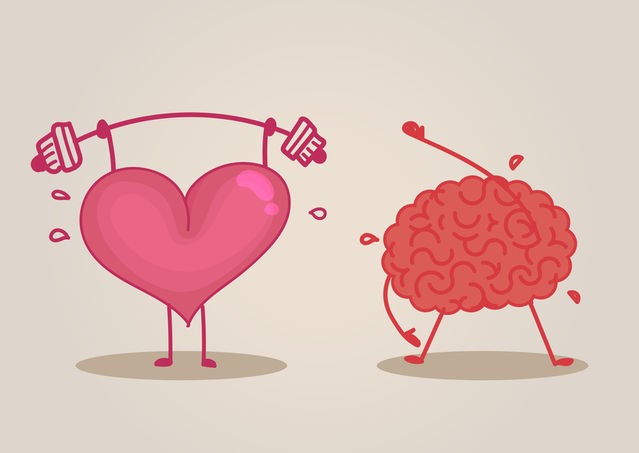
Almost every week, I get a question from someone asking me about the difference between emotional intelligence and mental strength. It’s a great question because there are many misconceptions about what it means to be mentally strong and myths about how to develop emotional intelligence.
The Definition of Emotional Intelligence
The definition of emotional intelligence has shifted over the years. The Cambridge Dictionary offers a basic definition—the ability to understand the way people feel and react and to use this skill to make good judgments and to avoid or solve problems.
Although the concept of emotional intelligence came into existence in the 1960s, it didn’t become popular until 1995, when Daniel Goleman’s book, Emotional Intelligence: Why It Can Matter More Than IQ, became a wildly popular bestseller.
Over the years, many people have misinterpreted Goleman’s statements, however. While he does argue that emotional intelligence can give people a competitive advantage in certain environments, he’s clear that a high EQ won’t necessarily lead to higher academic achievement or better SAT scores—those things depend more on IQ.
Goleman identified five components of emotional intelligence:
- Self-awareness – Self-awareness is the ability to recognize and understand your emotions and drives, as well as their effect on others.
- Internal motivation – A passion to work that goes beyond money and status, such as inner vision of what is important in life or the joy of doing something.
- Self-regulation – Self-regulation is about redirecting disruptive impulses and moods and the ability to think before acting.
- Empathy – Empathy is the ability to understand the emotional makeup of other people and the willingness to treat them according to their emotional reactions.
- Social skills – Social skills include proficiency in managing relationships and an ability to build rapport with others by finding common ground.
What is Mental Strength?
Mental strength is often used interchangeably with mental toughness. But depending on how someone defines mental toughness, there’s a good chance they aren’t the same thing.
Mental toughness is often used when people are referring to elite athletes or Navy Seals—and many of them are testing their bodies to the limits by seeing how much pain they can endure.
But thankfully, most of us don’t need to run on a broken ankle or physically intimidate our opponents. So that type of toughness isn’t a skill most of us need in everyday life.
Being mentally strong isn’t about acting tough. It’s about being aware of your emotions, learning from painful experiences, and living according to your values.
Mental strength has three main components:
- Regulating your thoughts – Regulating your thoughts involves learning how to train your brain to think in a helpful manner. That may mean ignoring self-doubt or replacing self-criticism with self-compassion.
- Managing your emotions – Being aware of your emotions allows you to understand how those feelings influence the way you think and behave. It may involve embracing emotions–even when they are uncomfortable–or it may be about acting contrary to your emotions, when those feelings don’t serve you well.
- Behaving productively – Choosing to take action that will improve your life, even when you struggle with motivation or delayed gratification, is key to becoming mentally strong.
The Big Difference
Emotional intelligence is part of mental strength. But mental strength goes beyond emotions and addresses the thoughts and behaviors that affect the overall quality of your life.
Mental strength involves developing daily habits that build mental muscle. It also involves giving up bad habits that hold you back.
The good news is, anyone can increase their emotional intelligence and build mental strength. And those skills will serve you well professionally, as well as personally.
