
TL;DR
Juneteenth is now a federal and state holiday. Some white conservatives are so opposed to acknowledging what happened that they would rather clock in at a job that legally does not require it — and refuse holiday pay — than let one Black American feel recognized. The irony writes itself. We didn’t give you that holiday. Your government did.
Key Points
- Juneteenth became a federal holiday in 2021 — signed into law by Joe Biden with near-unanimous congressional support.
- Louisiana and most states have followed with their own recognition.
- Some anti-DEI conservatives are publicly announcing they refuse to observe the holiday — some even refusing the paid day off.
- In doing so, they are giving up money to own a holiday that celebrates freedom from the most evil labor arrangement in American history.
- The loudest objection is not really about a calendar date. It is about who gets to be remembered.
Juneteenth Is a Federal Holiday — and Some White Folks Would Rather Go to Work Than Admit It
Let me make sure I understand this correctly. Juneteenth is a federal holiday. Your employer is closed. You are getting paid. And some of you are so upset about having to not work on a day honoring the end of American slavery that you would rather show up anyway — and refuse the check — just to make a point.
That is a level of commitment to being wrong that I genuinely respect. Not in a good way. But I respect it.
We are watching, in real time, grown adults refuse free money because it comes attached to a day that makes them uncomfortable. These are the same people who will debate government spending until their face turns red, but the moment the government offers them a paid day off tied to Black history — suddenly the principle of fiscal responsibility kicks in. They are leaving money on the table. For feelings.
What Juneteenth Actually Is — For Those Who Need a Refresher
On June 19, 1865, Union soldiers arrived in Galveston, Texas, and announced that enslaved people were free. The Emancipation Proclamation had been signed two and a half years earlier. Two and a half years. The enslavers in Texas knew. They kept going anyway — because free labor was too profitable to give up over something as inconvenient as the law.
Let that sit for a second. The war was over. The proclamation was signed. People who were legally free were still being worked — unpaid, under threat of violence — because some folks decided their economic comfort was more important than another human being’s freedom. If you are looking for the original DEI resisters, you just found them.
Juneteenth does not celebrate slavery. It celebrates the day people finally found out they were free. It took 156 years for the federal government to say that day is worth recognizing. Congress passed it with near-unanimous support in 2021. Republicans voted for it. Democrats voted for it. The Senate passed it unanimously. And yet here we are, in 2026, with some Americans treating it like it was personally handed to them by someone they do not like.
The Anti-DEI Holiday Protest Is the Most Expensive Stance in History
I have seen it online. I have heard it on talk radio. I have read it in the comment sections. There is a contingent of Americans — mostly white, mostly conservative, some of them in Louisiana — who have declared that they will not observe Juneteenth. They are not taking the day off. They are going in. Some are proudly refusing the holiday pay.
I want to pause here and appreciate the poetry of this moment.
A holiday exists because, 161 years ago, people were forced to work without pay. And the current protest against that holiday is — voluntarily working without pay. They have reinvented enslaved labor as a political statement. They are cosplaying the very system the holiday was created to mourn. I could not have written this if I tried.
Nobody Is Making You Feel Guilty. You Are Doing That Yourself.
One of the most common refrains I hear is some version of: “I didn’t own slaves. I have nothing to feel guilty about. I am not going to sit home on some holiday that makes me feel bad about being white.”
Nobody asked you to feel guilty. Nobody asked you to apologize. Nobody asked you to do anything except not go to work on a day when your office is closed. That is it. That is the entire ask. Sit on your couch. Watch television. Grill something. The bar has never been lower, and somehow it is still too high.
The guilt you feel about Juneteenth is not coming from Black people. It is not coming from the government. It is coming from somewhere inside you that you might want to examine quietly, preferably on your day off — which, again, is paid.
In Louisiana, This Is Not Abstract
We live in a state where the legacy of that two-and-a-half-year delay is not ancient history. It is in the architecture of our neighborhoods, the gaps in our school funding, the maps that were redrawn last year to dilute Black political power, and the Medicaid rolls that are now being cut in ways that fall hardest on Black families.
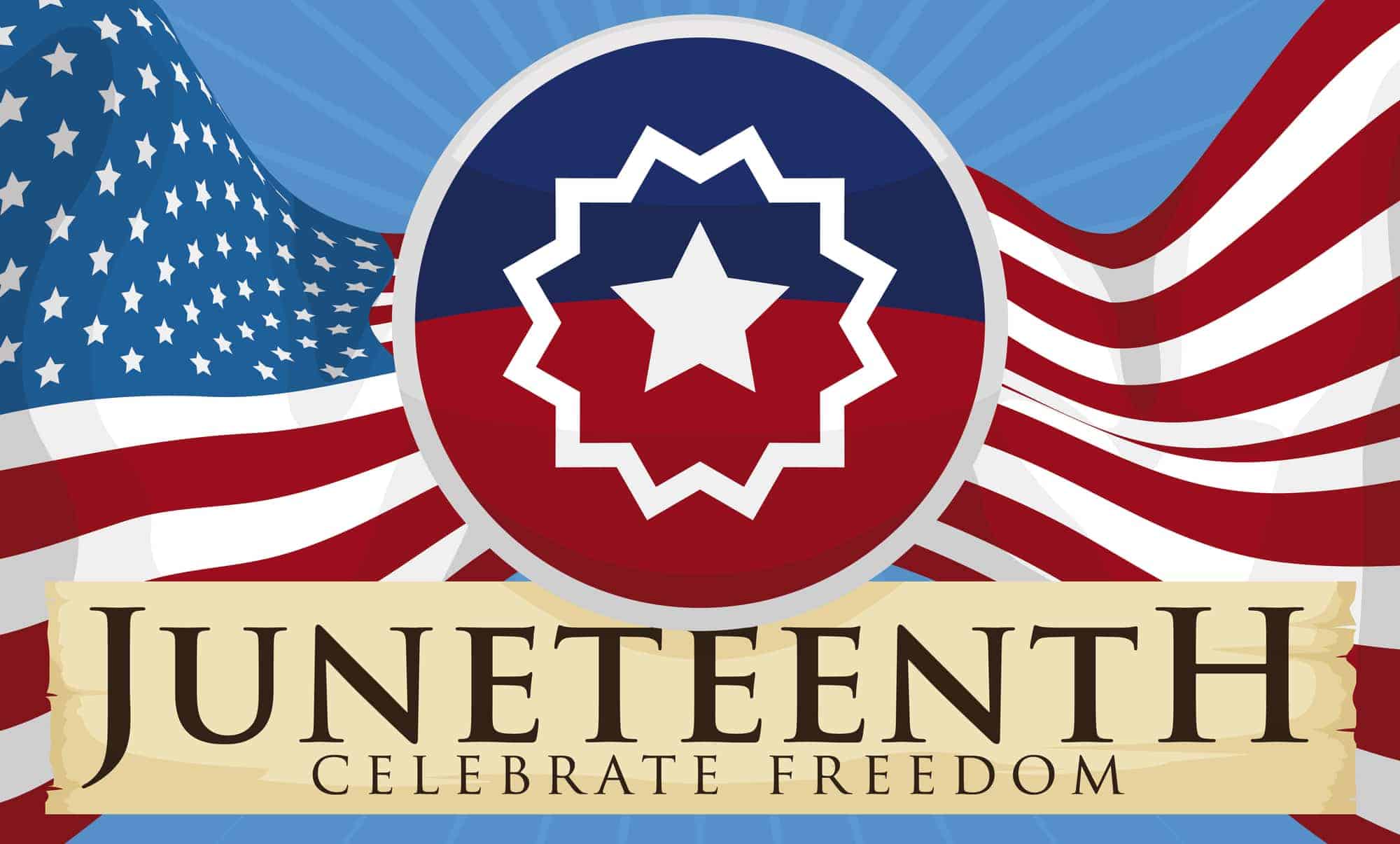
Louisiana recognized Juneteenth as a state holiday. That recognition matters — not because it fixes any of those things, but because a society that cannot acknowledge what happened to people cannot honestly address what is still happening to them. The holiday is not reparations. It is not policy. It is a date on a calendar that says: this happened, it was wrong, and we know it.
If that single acknowledgment is too much to bear, the problem is not the holiday.
A Final Word to the Conscientious Objectors
If you are genuinely committed to refusing your Juneteenth holiday pay on moral grounds, I have a suggestion. Donate it. Give it to a Black-owned business, a Black scholarship fund, a historically Black church in your city that is still standing because the congregation rebuilt it after it burned. Let your sacrifice mean something beyond a Facebook post.
Or — and this is the option I suspect most will choose — just take the day off, be quiet about it, and let the rest of the country have a moment of recognition that costs you absolutely nothing.
Juneteenth did not happen because Black people asked for a holiday. It happened because people were finally told the truth — two and a half years late — that they were already free. The least the rest of us can do is not show up to work to protest the news.
The holiday is not about guilt. It never was. It is about truth. And if the truth makes you uncomfortable enough to go to work for free, maybe that says everything we need to know.
Related Reading on Black Source Media
Sources
- Juneteenth National Independence Day Act, Pub. L. 117-17, signed June 17, 2021
- Louisiana Revised Statutes, state holiday designations
- National Archives: Emancipation Proclamation, January 1, 1863
- Historical accounts: Gordon Granger’s General Order No. 3, Galveston, Texas, June 19, 1865
Jeff Thomas
Jeff Thomas is the Publisher of Black Source Media and Owner of WBOK 1230 AM in New Orleans. He covers Louisiana politics, civil rights, and civic affairs with a direct eye on power and who holds it.
