
TL;DR
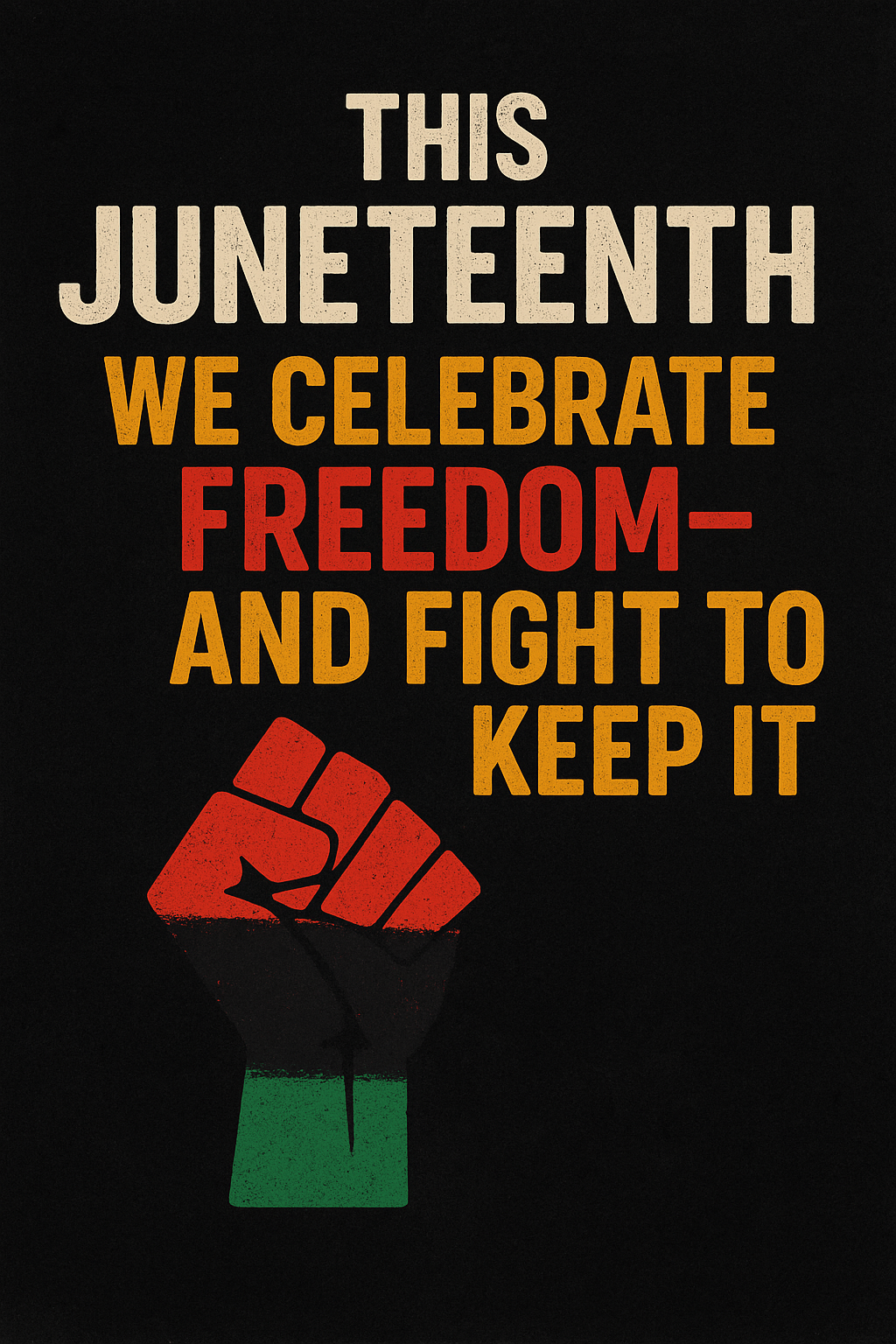
Juneteenth is not just a celebration — it is a reminder that freedom was delayed, fought for, and still needs protecting. New Orleans marks the holiday with festivals, music, art, markets, and history across some of the most sacred Black spaces in America. But joy is only part of the assignment. This Juneteenth, we celebrate and we act.
Key Points
- Juneteenth honors June 19, 1865 — the day enslaved people in Texas finally learned what was already law.
- New Orleans brings the holiday to life at Congo Square, Tremé, Bayou Road, and Whitney Plantation.
- This year’s events run June 13 through June 21 — Whitney Plantation, the Juneteenth Festival at Louis Armstrong Park, the Economic Summit, and the Freedom Gala.
- Celebration feeds the spirit. Meanwhile, economic strategy feeds the future. This weekend offers both.
- Freedom is a practice, not a date. What we do after the tents come down is the real work.
Juneteenth in New Orleans: Freedom Is Not Just a Date on the Calendar
Juneteenth always belonged to Black people — long before America finally admitted its importance. Long before banks closed or politicians issued statements, Black families gathered. They cooked, prayed, sang, and told the truth. They remembered the people who survived slavery, violence, theft, and betrayal — and kept moving anyway.
Now New Orleans joins cities across the country in honoring Juneteenth. Here, though, the celebration carries a deeper sound. It sounds like drums in Congo Square. It smells like food from Black vendors. It looks like elders teaching children the real story — and it feels like a city that knows exactly what it survived.
Ultimately, Juneteenth is not just a holiday. It is a mirror. And it asks America a hard question: what does freedom mean when justice still requires a fight?
What Juneteenth Really Means — and Why the Delay Is the Story
Juneteenth marks June 19, 1865. On that day, Union General Gordon Granger arrived in Galveston, Texas and announced that enslaved people were free. However, that news came more than two years after President Lincoln signed the Emancipation Proclamation.
Two years. That delay is the whole story. Freedom did not arrive because enslavers found morality. Instead, it arrived through war, resistance, federal force, Black courage, and relentless struggle. Even then, it came late — and it came incomplete.
As a result, Juneteenth does not celebrate America’s perfection. Rather, it celebrates Black survival despite America’s failures. That distinction matters now more than ever.
New Orleans Has Its Own Freedom Geography
New Orleans does not need to borrow meaning from anywhere else. This city carries freedom history in its streets, and every corner tells part of the story.
Congo Square is one of the most important Black cultural spaces in America. Enslaved and free people of African descent gathered there to drum, dance, trade, and worship — holding onto identity when everything around them was designed to strip it away. Tremé, meanwhile, carries the memory of Black music, business, and resistance. Bayou Road runs deep with Black commerce and community roots. And Whitney Plantation, just outside the city, forces every visitor to face slavery without romance or excuse.
So when New Orleans celebrates Juneteenth, it does not simply host events. It activates sacred ground.
The Juneteenth Season Begins: Whitney Plantation and June 19
The season opened with the Juneteenth Freedom Festival at Whitney Plantation on Saturday, June 13, running 9:30 a.m. to 4 p.m. The free event featured live music, storytelling, food vendors, panel discussions, and self-guided tours of the museum grounds. Notably, this year’s programming included a conversation with civil rights pioneer Leona Tate — one of the first students to integrate a public school in New Orleans. Whitney tells the story of slavery through the lives of the enslaved, making it one of the most powerful places in Louisiana to begin Juneteenth reflection. Admission is free with registration.
Then on Thursday, June 19, the main event arrives: the 7th Annual New Orleans Juneteenth Festival, hosted by the Louisiana Afro-Indigenous Society at Louis Armstrong Park and Congo Square, running noon to 5:30 p.m. The festival is free and open to the public, featuring live music, Black-owned vendors, food, artists, educational exhibits, and community organizations — all on the most sacred Black ground in the city.
Also on June 19, the New Orleans African American Museum presents Ancestral Odyssey by Vince Fraser, open 11 a.m. to 4 p.m. at 1418 Governor Nicholls Street. Created in collaboration with local cultural leaders, the immersive digital art installation explores the history of Black Masking Indians and the African diaspora through Afro-surrealist storytelling. Furthermore, it blends art, history, and technology into a multi-sensory experience that rewards a slow, careful visit.
To close out June 19, artist Juice presents The Black Pages at The New Marigny Theatre. The multimedia show traces the evolution of Black music — from spirituals and blues all the way through jazz, soul, and hip-hop. Black music did not just entertain America. Above all, it explained America — and that story belongs in New Orleans.
The Weekend Continues: Culture, Community, and Economic Power
On Friday, June 20, the 4th Annual Freedom for All Sneaker Ball returns to the New Orleans Jazz Museum at the historic Old U.S. Mint building, running 6:30 to 11 p.m. In addition to live music from ANTWIGADEE! and Creole food from Neyow’s, the evening includes an awards ceremony honoring couples for unity and service. Style, culture, and community — all in one room.
On Saturday, June 20, the focus shifts to economic power. The Free People’s Farmers Market opens in front of the Andre Cailloux Center from 10 a.m. to 2 p.m., spotlighting local growers, vendors, food, and community resources. At the same time, the Juneteenth Economic Summit runs 11 a.m. to 3 p.m. inside the same building. If you own a business or want to build one, that room is where you need to be. After all, freedom without economics remains incomplete.
Following the summit, the Bayou Road Block Party runs 2 to 6 p.m. — less a party, more a statement. Bayou Road has long served as a corridor of Black culture and commerce, so celebrating Juneteenth there feels like a homecoming.
Finally, the weekend closes on Sunday, June 21 with the Juneteenth Freedom Gala: Black Exodus at the Andre Cailloux Center, beginning at 6 p.m. The Louisiana Afro-Indigenous Society’s gala features music, speakers, and celebration highlighting Black culture, leadership, and achievement. It is a fitting close to a full week of freedom.
Celebration Is Not the Whole Assignment
Black people earned every ounce of this joy — celebrate it fully. But a holiday without action becomes decoration. A festival without memory becomes entertainment. And a speech without policy becomes noise.
New Orleans still has hard questions to answer. Who owns the land? Who gets the contracts? Who controls the cultural economy that draws tourists, dollars, and global attention? Who protects Black neighborhoods from displacement? And who teaches Black children the truth?
Those questions belong right beside the music and the food. Because Juneteenth is not only about what happened in 1865 — it is about what remains unfinished in 2026.
What You Can Do Right Now
Start by taking your children to a Juneteenth event. Stand in Congo Square and explain why that ground matters. Support Black-owned vendors with real dollars, not just good intentions. Attend the Economic Summit if you own a business or are working to build one. Make time to visit Whitney Plantation and face the truth directly. Then talk to an elder about what freedom meant in their lifetime — the answer will stay with you.
Most importantly, teach young people — clearly, plainly, and without apology — that Juneteenth is not a costume, a hashtag, or just a day off. It is history. It is warning. It is responsibility.
Freedom Is a Practice
Freedom is not passive. It requires memory, money, law, land, education, and media that tells our stories without apology. That is why Juneteenth carries a different weight in New Orleans than anywhere else. This city knows how Black people turn pain into beauty, and how Black people create culture from struggle.
Even so, survival alone is not the goal. We are aiming higher than that.
Go to the events. Take your children. Support the vendors. Walk Bayou Road. Stand in Congo Square. Attend the summit. Then ask yourself — and ask each other — what freedom requires after the tents come down. Because Juneteenth is not only a remembrance of delayed freedom. It is a demand that freedom stop being delayed.
Related Reading on Black Source Media
Sources
- WWNO / The Lens: “Juneteenth 2026 in New Orleans: Celebrations include festivals, music and community events” — June 12, 2026
- Eventbrite: 2026 New Orleans Juneteenth Festival — official listing
- JuneteenthEvents.us: New Orleans 2026 confirmed events
- NewOrleans.com — Juneteenth events guide
- Whitney Plantation — Annual Juneteenth Freedom Festival
- National Park Service — Juneteenth history
- National Archives — Juneteenth history and the Emancipation Proclamation
Denise Tureaud
Denise Tureaud writes about health, wellness, and community life for Black Source Media. A New Orleans insider, she leads with heart before data and believes that healing the community starts with telling it the truth.
