
TL;DR
Black beaches were never just vacation spots. They were freedom spaces — built because white America blocked Black families from public leisure. As July Fourth approaches, New Orleans should reckon with what happened to Lincoln Beach, why it closed, and what bringing it back actually requires. Rest, land, and joy are civil rights issues too.
Key Points
- Lincoln Beach was New Orleans’ Black beach during segregation — it sat along Lake Pontchartrain while white residents had Pontchartrain Beach across the water.
- After integration, Lincoln Beach closed and sat neglected for decades. That pattern repeated across America.
- Black beach communities like Oak Bluffs, Inkwell Beach, Sag Harbor, and Bruce’s Beach tell the same story: Black people built joy where racism built fences — and then lost the land anyway.
- Rest, leisure, and land ownership are civil rights issues. They always have been.
- When New Orleans brings Lincoln Beach back, it must do more than reopen gates. It must restore the memory.
Black Beaches, Lincoln Beach, and the Right to Rest
Every July Fourth, America celebrates freedom. Black America has always had to ask a sharper question: freedom for whom? That question becomes impossible to ignore when you study Black beaches — because the history of where Black people were and were not allowed to swim tells you everything about how this country actually worked.
For decades, Black families could fight wars, pay taxes, build cities, and serve white customers. Yet they could not always swim beside them. They could clean hotels but could not sleep in them. They could cook the food but could not sit at the table. They built America’s economy and were denied America’s shorelines. So they created their own. They built beaches, resorts, and summer communities — whole worlds of joy constructed in the margins that racism left behind. That history matters this Fourth of July, because freedom is not just voting and working. Freedom also means rest. Freedom means safety. Freedom means watching your children play without humiliation.
Lincoln Beach Was New Orleans’ Black Shoreline
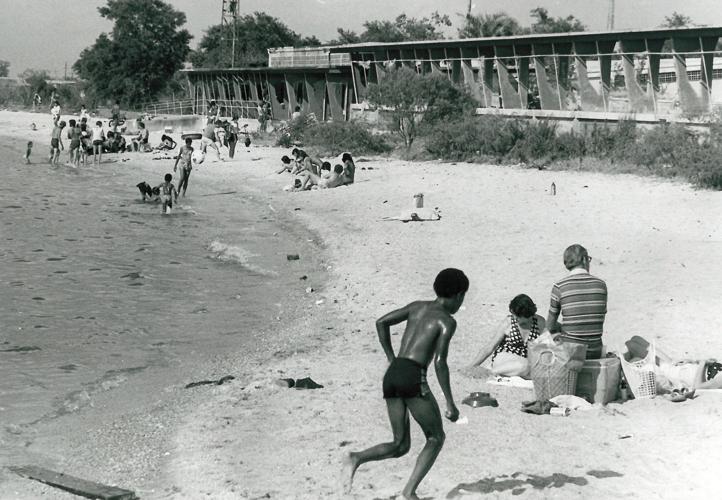
New Orleans had Lincoln Beach. For many Black families, it was more than a beach — it was a memory machine. It sat in New Orleans East, along Lake Pontchartrain. During segregation, white residents had Pontchartrain Beach. Black residents had Lincoln Beach. That sentence should still make this city uncomfortable.
Lincoln Beach offered swimming, music, rides, food, and community. Families arrived dressed with pride. Children ran through the sand. Couples courted along the water. Musicians performed under the open sky. Black New Orleans built joy under pressure — and it was real joy, not a consolation prize.
Then integration came. Pontchartrain Beach opened to Black patrons and, shortly after, Lincoln Beach closed. That pattern repeated across America. Integration promised access — but it also erased Black-owned and Black-centered spaces in the process. White spaces became “public.” Black spaces became “unnecessary.” Then many simply fell into neglect. That is the quiet theft nobody wants to discuss.
Integration Did Not Always Mean Preservation
America often tells the story too simply. Segregation was bad. Integration came. Everything improved. That version leaves out too much. Yes, integration mattered — Black people deserved access to every public beach, hotel, school, restaurant, and park in this country. But access came with a hidden cost that most history books still skip past.
As Black institutions lost their protected customer base, many collapsed. Black resorts lost traffic. Black business districts emptied out. Black schools lost their names, their teachers, and their leadership. Black hospitals closed. Black neighborhoods got carved up by highways that somehow always ended up running through them. Black leisure spaces disappeared — not through dramatic demolition, but through slow, deliberate neglect.
The question was never whether integration was necessary. It was. The real question is why America integrated white spaces while allowing Black spaces to die. That is the Lincoln Beach question. It is also the Charity Hospital question, the Black school question, the Black business corridor question, and the Black media question. America loves Black culture. It rarely protects Black institutions.
Oak Bluffs Shows What Preservation Looks Like
Some Black beach communities survived — and their survival is instructive. Oak Bluffs on Martha’s Vineyard remains one of the most famous. The Inkwell Beach became a cultural institution. Across generations, Black doctors, lawyers, educators, artists, and political leaders built community there — not just to be seen, but to breathe. To rest without explaining themselves. To show their children a different Black reality.
That last point matters more than it might seem. Black children need more than survival stories. They also need inheritance stories — proof that we owned homes, built resorts, created beauty, and passed it down. Black excellence did not begin with social media. It lived in beach cottages, church picnics, family reunions, and summer dances. Oak Bluffs still carries that memory, which is exactly why it remains powerful.
Sag Harbor and the Strategy of Owning Land Near Water
Sag Harbor tells another version of the same story. The communities of Azurest, Sag Harbor Hills, and Ninevah — known collectively as part of the Black Hamptons — grew because Black families needed refuge from white exclusion. They bought land. They built homes. They created a summer world on their own terms. That was not just leisure. It was strategy. Land ownership has always been one of America’s clearest lines of power, and Black people understood that — so they bought near the water, built near the water, and gathered near the water. Black freedom has always required more than protest. It has required property.
Bruce’s Beach Shows the Other Side of That Strategy
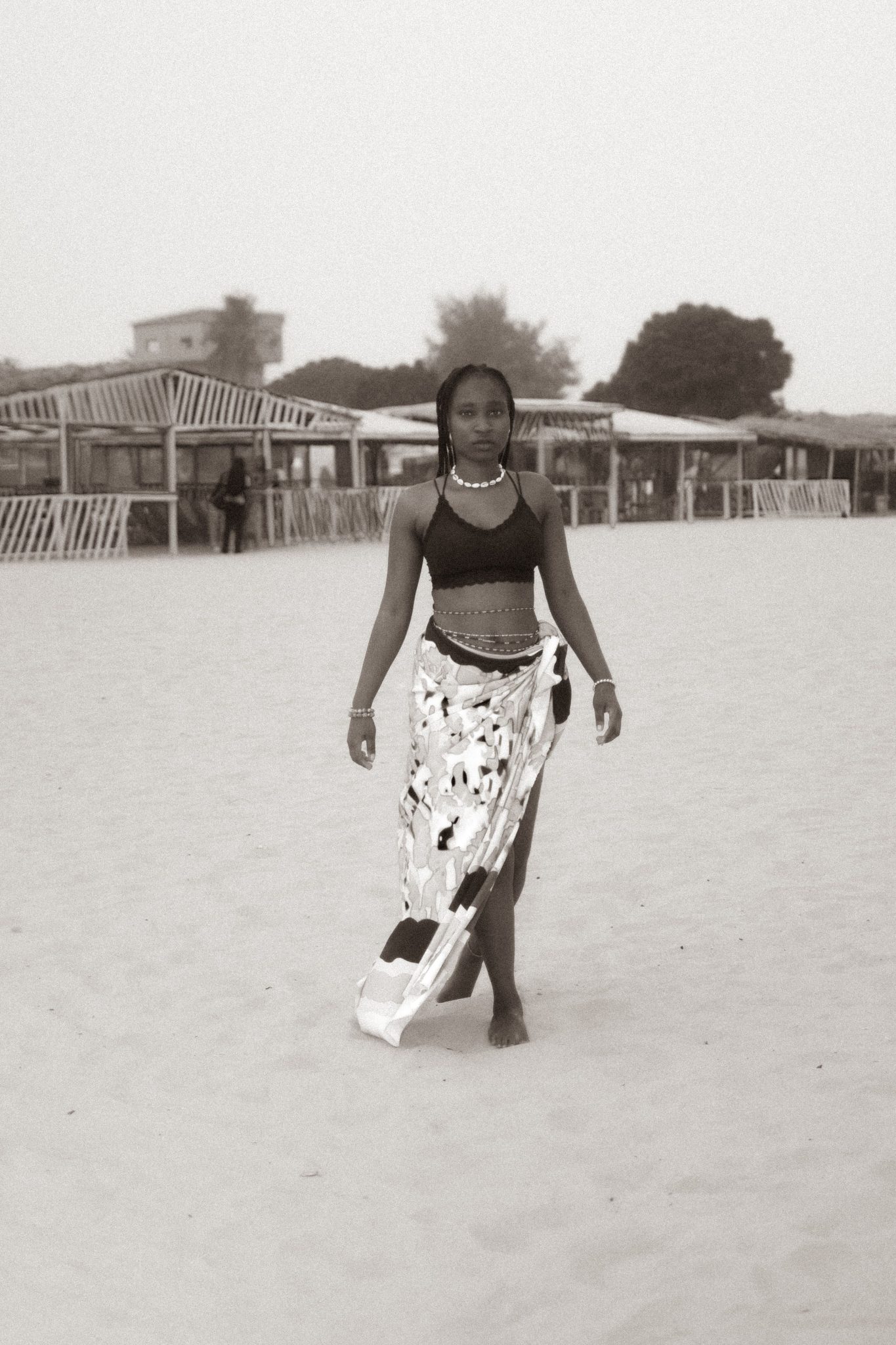
Bruce’s Beach in California shows the darker side. Charles and Willa Bruce built a Black beach resort in Manhattan Beach. White officials later used government power to seize the land. The story became a national symbol of Black land loss — and it exposed a brutal truth that runs through this entire history. The problem was not only hatred. It was competition. Black joy on valuable land threatened white control. Black ownership near water threatened the racial order. That is why these stories still matter today. They are not just history — they explain the displacement happening in Black neighborhoods right now, the exclusion Black businesses still face, and the fight Black media still wages for economic survival.
July Fourth Should Include This History
This week, America will sell freedom again. Flags will wave, fireworks will explode, and politicians will praise liberty from stages in cities where the infrastructure is failing and the land is changing hands. Black America should add the context those speeches will leave out.
Our freedom story includes beaches we could not enter and resorts we had to build ourselves. It includes land we lost and institutions we watched decay. It includes spaces like Lincoln Beach, which New Orleans left behind for decades while the memory stayed alive only in the people who were there. So yes — grill, swim, play music, and take the children somewhere joyful. But also tell them the truth. Tell them Black people built freedom spaces because America denied us freedom. Tell them Lincoln Beach mattered. Tell them Oak Bluffs mattered. Tell them Sag Harbor mattered. Tell them Bruce’s Beach mattered. And tell them that rest is not weakness, joy is not shallow, and ownership is not optional.
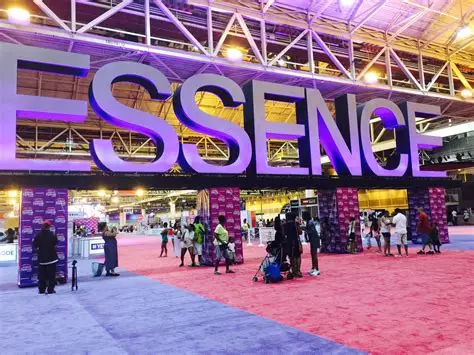
Essence calls itself a party with a purpose — and that framing is exactly right. Because being Black in America is a political statement, whether you are standing at a protest or standing in the water at a beach that your grandparents built because they were not allowed in anyone else’s. Black fun is not separate from Black politics. It never was. Right now, Black joy is under attack — DEI rollbacks, Medicaid cuts, gutted voting rights, and a Supreme Court that just eliminated a congressional district. The people dismantling Black political power are not taking July Fourth off. That does not mean we cannot celebrate. It means we celebrate with our eyes open.
Lincoln Beach Must Become More Than a Project
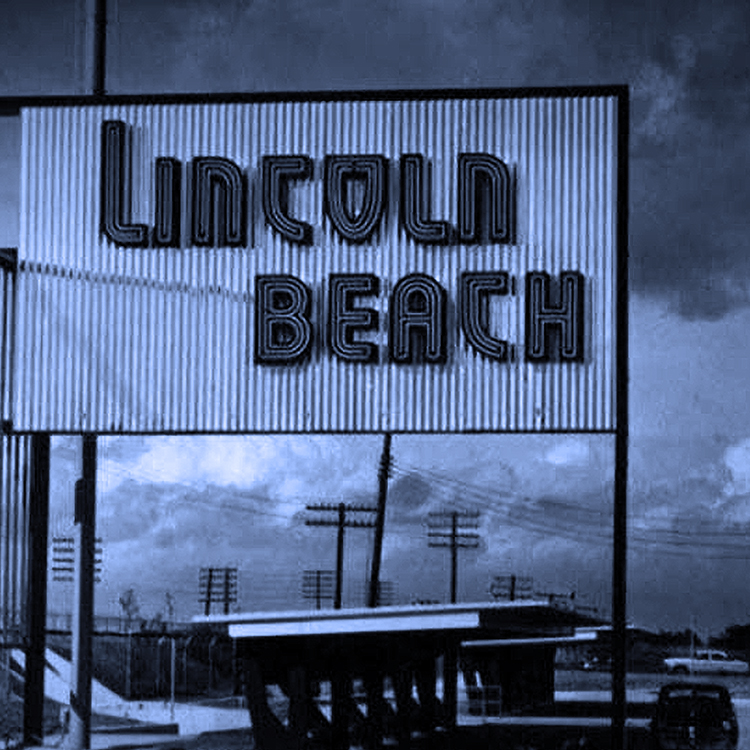
New Orleans is talking about bringing Lincoln Beach back. That is good — but the city must do more than reopen gates. It must honor the story. Lincoln Beach cannot become another generic waterfront development, another ribbon cutting with no Black soul behind it, another sanitized park where the history gets a small plaque and nothing else.
A real restoration means public art and oral history installations. It means small business opportunities and Black vendors built into the design from the beginning, not added as an afterthought. It means youth programming, cultural events, transportation access, and explicit protection against privatization. Most importantly, it means centering the people who kept the memory alive — because Black New Orleanians did not forget Lincoln Beach. The government did. That distinction matters when the city decides who gets a seat at the table for what comes next.
Black Joy Is Infrastructure
Cities love to fund concrete. They love consultant reports, ribbon cuttings, and drainage projects. But Black joy is also infrastructure. So are beaches, parks, cultural spaces, historic neighborhoods, and places where families can gather safely without being watched, priced out, or pushed away. A city that only measures drainage and crime is not measuring its health. It is measuring its problems. The real measure is belonging — and right now, New Orleans has a chance to build something that answers the Lincoln Beach question honestly.
Remember the families who packed food and drove to the only beach that welcomed them. Remember the entrepreneurs who built resorts when banks, cities, and white customers rejected them. Remember the children who learned joy in places America never meant for them to have. And remember Lincoln Beach — because reopening it should not just restore access to water. It should restore memory. It should restore dignity. It should restore a piece of Black New Orleans that never should have been abandoned.
Related Reading on Black Source Media
Sources
- NOLA.com — Lincoln Beach redevelopment coverage
- Martha’s Vineyard Online — Oak Bluffs and Inkwell Beach history
- New York Times — “Sag Harbor’s Black Community,” August 2020
- Los Angeles Times — “Bruce’s Beach and the history of Black land loss in California,” July 2022
- National Trust for Historic Preservation — African American Beach Communities
- Louisiana State Museum — New Orleans segregation-era public facilities
- Black Source Media — “Black In America? You Are Political Not Human,” May 31, 2026
Jeff Thomas
Jeff Thomas is the Publisher of Black Source Media and Owner of WBOK 1230 AM in New Orleans. He covers Louisiana politics, civic affairs, and the history of Black institutions in the South with a direct eye on what we built, what we lost, and what we must protect.
