
By Langston Price | Economic & Policy Analysis, Black Source Media
|
TL;DR — Read This Before You Scroll Past
|
Why Does Essence’s $10-12 Million Ask Matter to New Orleans?

Essence is about to ask New Orleans for money. The company wants $10 to $12 million combined from the city, the Louisiana Legislature, and other groups. The goal: keep Essence Festival here for the long term. Columnist Will Sutton reported this Essence Festival New Orleans funding push earlier this week.
Before anyone approves that number, ask a better question. Forget whether this year’s show runs on time. Ask what this institution does when someone holds it accountable.
Two stories broke within a day of each other this week. Almost nobody connected them. One is about a festival. The other is about a former CEO. Together, they reveal something the dollar figure alone can’t show.
|
📋 Key Points
|
What Is Essence Actually Asking New Orleans For?
Essence Festival returns to the Superdome and Convention Center July 3-5. The current seven-year deal with the city ends a few weeks later. According to Sutton, Essence wants New Orleans, the Louisiana Legislature, and other groups to commit $10-12 million combined. The company hopes to build toward a year-round “Essence 365” presence here.
That’s real money tied to a real asset. Essence Festival brings hundreds of thousands of visitors to New Orleans every July. Hotels, restaurants, and shops all benefit. Nobody questions whether the festival has value. The real question is different. Has this institution earned the trust that comes with $10-12 million in public money?

What Does the Caroline Wanga Lawsuit Say?
A CEO Blamed for a Festival She Didn’t Run
Caroline Wanga led Essence Ventures from 2020 to March 2025. She took medical leave in September 2024 and resigned the following spring. She filed her lawsuit June 11 in New York. It says she had no role in planning the 2025 Essence Festival. That festival ran hours behind schedule. Production quality was weak. Fans were angry when free Superlounge access became a paid VIP perk.
Essence Ventures and Sundial Media waited until August to announce Wanga’s departure. By then, the public still linked her name to the company. Her lawsuit says she asked leadership all summer to correct the record. She wanted them to confirm she’d been on leave and had no role in the festival. The August announcement left those facts out, the suit claims.
What the Backlash Cost Her
The lawsuit says the backlash got personal and racist. Critics attacked Wanga’s Kenyan heritage. Some said she didn’t belong in the role because of where she was born.
The fallout didn’t stop there. Wanga’s complaint says the public blame destroyed her separate company, Wanga Woman. Revenue dropped. Staff lost jobs. She’s now seeking damages and a jury trial.

Same Pattern, Different Ask
The City Wanted Answers Too
Here’s where the two stories connect. In March — separate from anything involving Wanga — Mayor Moreno’s office sent Essence a formal letter. The letter asked for a finalized budget covering all revenue and expenses. It also asked for proof that every 2025 vendor got paid. On top of that, Essence needed to provide biweekly financial reports, signed artist agreements, and a confirmed Executive Producer. Each item came with a deadline.
As of this week, Sutton reports, the city still hasn’t gotten a formal written response.
Two Requests, One Answer
Line these requests up side by side. A departed Black woman executive asked Essence to correct the public record. That request would have cost the company nothing — just a true statement. The city that hosts the festival asked for routine financial transparency. Most partners provide that as a matter of course.
Essence and Sundial gave both requests the same answer: nothing. No correction. No formal reply. Just time passing where an answer should be.
That’s not two unrelated stories. It’s one pattern, showing up twice in a year. When accountability would cost leadership little, but help someone else, Essence doesn’t deliver it.
Black-Owned Doesn’t Lower the Bar
New Orleans has watched this story before. Outside companies arrive for a big event. They use the city’s culture, labor, and venues. Then they take what they need and leave little behind for local business. When the company is white-owned, this publication calls that out without hesitation.
The standard shouldn’t change for a Black-owned company. Essence Ventures and its parent, Sundial Media & Technology Group, are Black-owned. That ownership matters, and it deserves recognition. But it doesn’t change what happens to a local caterer who doesn’t get paid. It doesn’t change what happens to a Black media outlet that never gets a promised ad buy. The exploitation feels the same either way. The indignation feels the same either way. Getting ignored feels the same either way.
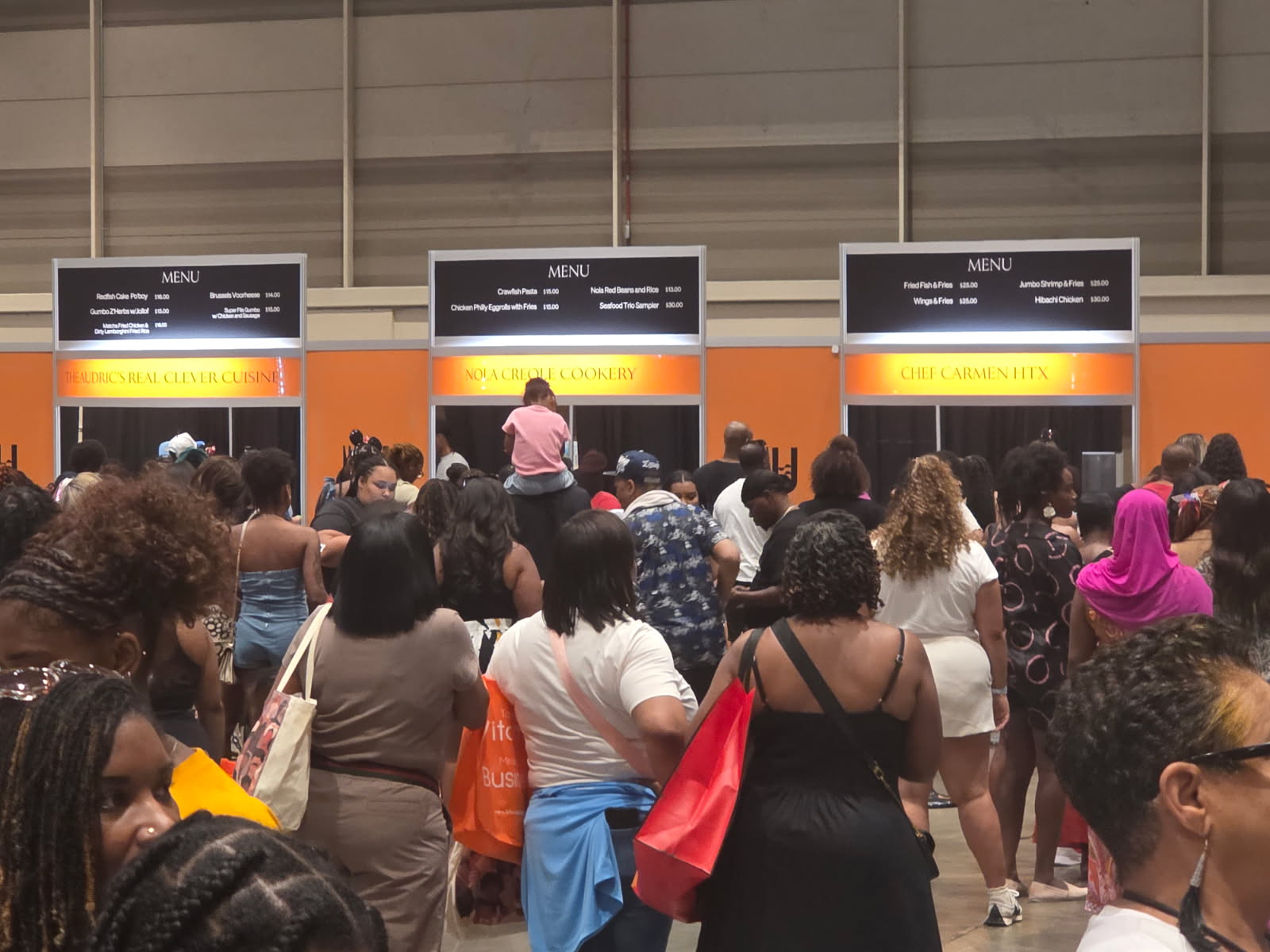
Dennis told Sutton that Black media is under attack. He said Essence would spend more with Black media here. That’s the right instinct, and BSM hopes Essence follows through. But the real test isn’t the statement. It’s whether New Orleans’s Black-owned outlets, caterers, security firms, and hospitality vendors see a real share of Essence’s spending. That share needs to grow over the next year. If they don’t, Essence’s ownership won’t soften that outcome for the people left out.
What New Orleans Should Require First
Moreno’s office already wrote the transparency framework back in March. Essence shouldn’t get to treat it as optional. It should become the floor for any new long-term agreement. That means writing it into the contract, with real enforcement — not leaving it as a hopeful letter.
That also means standing, independent audits of vendor payments — not a one-time check. It means scheduled public reports on any state or city money Essence receives, with consequences for missed deadlines. Louisiana’s insurance industry ran a similar playbook for years. It let homeowners absorb costs that bigger institutions refused to address — until courts and lawmakers forced their hand. New Orleans holds real leverage right now, before anyone signs anything. That leverage disappears the moment the money moves.
The Bottom Line for New Orleans
Essence Festival brings real cultural and economic value to this city. That’s never been the question. Here’s the real issue. Essence markets itself around lifting up Black business and Black leadership. But the company let a Black woman executive take a year of public blame, including racist attacks. Those decisions came after she’d already left. And by the city’s own account, that same institution went quiet when New Orleans asked for basic financial transparency.
Essence’s leadership didn’t pay the cost of that silence. Caroline Wanga did. Her business reportedly collapsed under a narrative the company could have corrected with one honest statement. New Orleans should recognize this pattern now. Otherwise, this city could be next to hold the bill for Essence’s silence — this time, $10 to $12 million. BSM has written before about the toll public backlash takes on Black women. Wanga’s case is that same dynamic, playing out at corporate scale. When something goes wrong, the institution looks for someone else to carry it.
Essence Fest can still be great for New Orleans. But a great festival and an accountable institution are two different things. Right now, this city has only seen progress on one of them.
About the Author
Langston Price is the Economic & Policy Analysis contributor at Black Source Media. He writes about the institutional structures shaping economic outcomes for Black communities in Louisiana and beyond.
Sources
- NOLA.com — Will Sutton, “Essence Festival can’t afford major hiccups, mess ups as it bounces back,” June 12, 2026. nola.com
- NOLA.com — “Former Essence Fest CEO files defamation suit,” June 12, 2026. nola.com
- theGrio — “Former Essence CEO Caroline Wanga sues over fallout from Essence Fest controversy,” June 12, 2026. thegrio.com
- PR Newswire — “Former CEO Caroline Wanga Sues Essence Ventures and Sundial Media & Technology Group for Defamation,” June 12, 2026. prnewswire.com
- Black Source Media — Louisiana’s Insurance Crisis Is Destroying Black Wealth
- Black Source Media — Black Women and Political Stress 2026: How to Protect Your Health Right Now
