
TL;DR
Essence Fest is seeking up to $12 million a year from New Orleans and Louisiana as its contract expires in September. The economic case for keeping it here is real. But New Orleans should not negotiate like a desperate city — because it is not one. Essence needs New Orleans more than New Orleans needs to beg.
Key Points
- Essence Fest is seeking up to $12 million per year in city and state funding as its seven-year New Orleans contract expires in September 2026.
- The festival currently receives about $1.7 million in direct payments from the city and tourism entities — making the new ask a sevenfold increase.
- Louisiana offered LIV Golf — a Saudi-backed tournament — a $22.2 million incentive package. The Super Bowl Host Committee got $10 million from the Legislature. Essence deserves the same serious conversation.
- New Orleans has leverage. No other city can replicate what New Orleans gives Essence. The city should negotiate like it knows that.
- Public money must come with public accountability — measurable returns, local vendor access, Black-owned business participation, and transparent reporting.
Essence Fest Wants $12 Million a Year. New Orleans Should Ask What It Gets Back.
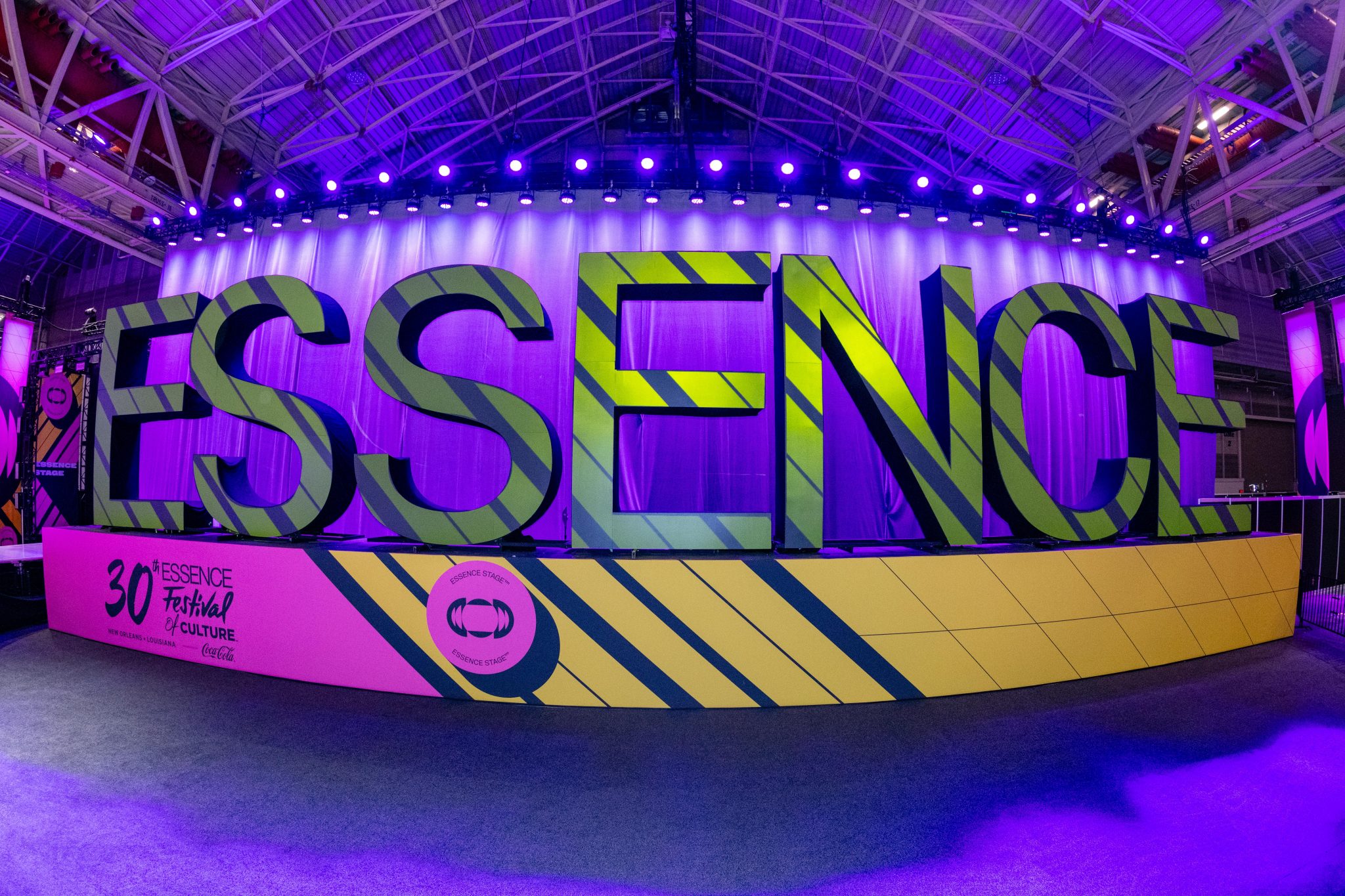
Essence Fest has been coming to New Orleans for more than 30 years. It turns the city into the center of Black America every July Fourth weekend. It fills hotels during the slowest tourism stretch of the year. Hundreds of thousands of visitors arrive — eating at local restaurants, riding with local drivers, and buying from local vendors. Their spending flows through every layer of this city’s economy. Consequently, when Essence says it needs public support to stay, New Orleans should take that conversation seriously.
However, taking it seriously does not mean rolling over. Essence is seeking up to $12 million per year in city and state funding as its seven-year contract expires this September. Right now, the festival receives about $1.7 million in direct payments. That comes from the city of New Orleans, the New Orleans Tourism and Cultural Foundation, New Orleans & Co., and the Greater New Orleans Hotel and Lodging Association. The new ask is a sevenfold increase. New Orleans should make that deal only if it is structured correctly — and to know that, the city must ask the right questions first.
The Economic Case Is Real — and the Timing Is Everything
Let me say clearly: the argument for public investment in Essence Fest is not weak. In fact, it is strong — and the timing is the key reason why.
New Orleans is a tourism city. However, July is not a peak tourism month. It is hot and humid, and without Essence, much of the hospitality industry runs on reduced demand. Essence does not simply add visitors to an already crowded weekend — it creates demand when the city genuinely needs demand. Hotel rooms that might otherwise sit empty get booked. Restaurant shifts get added. Workers earn wages and tips, and sales taxes flow. As a result, the festival’s economic impact has been estimated at $251 million in 2022 and up to $300 million in 2024. Those figures are often optimistic — but nobody serious disputes that Essence moves serious money through this city.
Furthermore, Essence is now pitching something called “Festival 365” — framing the event not as a summer weekend but as a year-round cultural and commercial presence in New Orleans. If that vision is real and funded properly, it changes the math considerably. A year-round Essence footprint in this city would mean ongoing jobs, ongoing visibility, and ongoing economic activity — not just a long weekend. That idea deserves serious consideration, not reflexive rejection.
Louisiana Funded LIV Golf and the Super Bowl. So Let’s Have an Honest Conversation.
Before anyone in Baton Rouge lectures New Orleans about fiscal responsibility when it comes to Essence, they need to answer for what the state has already funded.
Governor Landry’s administration offered LIV Golf — the Saudi Arabian-backed golf tournament — a five-year, $22.2 million incentive package in the hopes of luring the league to New Orleans. The New Orleans Super Bowl Host Committee received $10 million from the Legislature in the lead-up to Super Bowl LIX in 2025, and Louisiana Economic Development separately hired Greater New Orleans, Inc. on a $4.5 million contract to support fundraising efforts and media promotion for the event.
So the state will offer $22 million to a Saudi golf league but needs convincing on $12 million for one of the most important Black cultural events in America. Essence has been coming to this city for more than three decades. It generates hundreds of millions in economic activity every year. That contrast is not subtle. In fact, it is the same priority problem I wrote about when the legislature gutted New Orleans’ budget while growing the prison system. Louisiana funds what it values. The question is whether it values Essence the same way it values golf.
Public Money Requires Public Accountability
None of that means New Orleans should write a blank check. After all, public money is not a gift — it is an investment, and investments require returns. Therefore, before the city and state commit to anything close to $12 million annually, they should require clear answers to straightforward questions.
How much direct tax revenue does Essence generate for New Orleans and Louisiana? What is the hotel room night count — and at what average rate? How many local workers get paid, and at what wage levels? Of the vendor contracts, how much spending stays in New Orleans versus flowing to national corporations? Specifically, how many Black-owned businesses receive real contract opportunities, not just booth space? And if the city funds “Festival 365,” what does that year-round presence actually look like, with measurable deliverables and deadlines?
Additionally, any funding agreement must address the clean-zone problem directly. In past years, corporate sponsorship agreements have created zones around Essence venues that effectively block local vendors and small businesses from accessing the foot traffic the festival generates. If taxpayers help fund the event, local entrepreneurs cannot be locked out of the economic activity it creates. That is not a negotiating preference — it is a condition.
New Orleans Has Leverage. It Should Use It.
Here is what the negotiation often misses: Essence needs New Orleans too. Notably, the festival’s power does not come from the Superdome or the convention center. It comes from the culture, the food, the music, the history, and the Black identity that this city carries in ways no other American city can replicate. Houston can host a large event. Atlanta can too. Neither city, however, can reproduce what New Orleans is — and Essence’s entire brand is built on exactly that.
Mayor Moreno has said she wants to do everything possible to keep Essence here as long as it benefits local businesses, artists, and musicians. That framing is exactly right. The operative phrase is “as long as it benefits.” Moreover, the relationship should be a genuine partnership — not a situation where Essence arrives, collects the culture, uses the brand, and leaves with the margin while local workers, vendors, and small businesses fight over what’s left.
If It Is Your City Too, Act Like It
Essence leadership has said publicly: “This is our city, too.” If that is true, the funding agreement should reflect it. Year-round investment in New Orleans media, entrepreneurship, music, health, and small business programming is not an unreasonable ask in exchange for $12 million in annual public funding. It is the minimum standard for calling this a partnership rather than a transaction.
Local Buy Provisions Must Be Written Into the Contract — Not Promised After the Fact
Above all, this is the part of the deal that gets talked around but rarely written down. If New Orleans and Louisiana are going to provide up to $12 million annually to keep Essence here, the contract must include mandatory local buy provisions — not suggestions, not aspirational language, not a commitment to “work with” local businesses. Hard numbers. Enforceable terms. Consequences for non-compliance.
Specifically, a fixed percentage of Essence’s advertising spend must go to Black-owned media in Louisiana. Black Source Media, WBOK, the Louisiana Weekly, the New Orleans Tribune, and every other Black-owned media outlet in this market creates the audience Essence reaches. That audience should not be used to sell advertising to national corporate sponsors while local Black media gets cut out of the buy. If Essence is spending money to reach Black New Orleans, a meaningful share of that spend belongs with Black New Orleans media. That is not a favor — it is a market correction.
Furthermore, the vendor and supplier provisions must go beyond booth access. Specifically, true local buy means Black-owned caterers, production companies, security firms, transportation providers, print shops, event staffing agencies, and technology vendors get real contract opportunities — with dollar minimums, not just invitations to apply. The difference between “we encourage local vendors to participate” and “at least 30% of vendor contracts by dollar value must go to Louisiana-based Black-owned businesses” is the difference between a press release and a policy.
Additionally, the state’s portion of any funding agreement should carry its own local buy requirements. Louisiana has used economic development dollars to support events before. However, in most of those deals, local Black suppliers have not been protected. That pattern ends here. If state money flows to Essence, state contracting standards for minority business participation should apply. Louisiana has MBE certification programs for exactly this purpose. Use them.
The Bottom Line on Black Business Inclusion
The bottom line is this: Essence built its brand on Black culture, Black creativity, Black spending power, and Black community. The Black business community of New Orleans is not a backdrop for that story — it is the story. Any contract that does not put money directly into the hands of Black New Orleans entrepreneurs, media owners, and suppliers is not a partnership. It is an extraction deal with better branding.
The Verdict
Yes — New Orleans and Louisiana should fund Essence Fest. The economic case is real, the timing is valuable, and the cultural significance is unmatched. An event that generates up to $300 million in economic activity during the city’s slowest tourism season deserves serious public investment.
But the answer is yes only at the right price and on the right terms. The contract must require measurable economic return, transparent post-event reporting, local vendor access with dollar minimums, mandatory advertising spend with Black-owned Louisiana media, Black-owned business participation in catering, production, security, and supply chain, worker protections, clean-zone fairness, and genuine year-round presence — not just a promise of it. Every one of those terms should be enforceable, with consequences for non-compliance built into the agreement before anyone signs.
New Orleans should make this deal. But it should make a better deal than it has made before. Louisiana just offered $22 million to a Saudi golf tournament. It can find the will to properly fund one of the most important Black cultural institutions in America — if New Orleans demands it, with leverage, and with accountability built into every dollar.
Related Reading on Black Source Media
Sources
- NOLA.com: “Essence Fest seeking up to $12M in city, state funding as part of long-term New Orleans deal” — May 25, 2026
- EURweb: “Essence Festival Asks New Orleans for Up to $12 Million a Year as City Contract Expires” — May 28, 2026
- Axios New Orleans: “Essence Fest returns as New Orleans weighs its future” — July 2, 2026
- Essence Festival of Culture economic impact — 2022 ($251.3M) and 2024 ($300M) estimates
- Louisiana Economic Development — LIV Golf incentive package, $22.2 million, 2025
- The Center Square — Super Bowl Host Committee and Louisiana Economic Development contracts, 2025
Jeff Thomas
Jeff Thomas is the Publisher of Black Source Media and Owner of WBOK 1230 AM in New Orleans. He covers Louisiana politics, civic affairs, and the economics of public money with a direct eye on who benefits and who pays.
