
By Jeff Thomas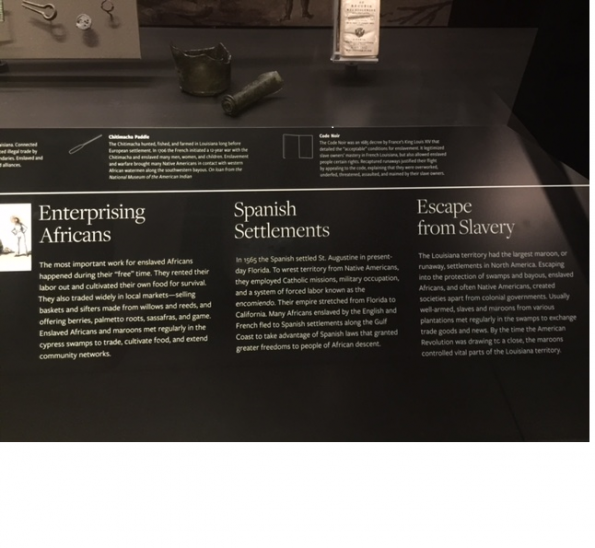
A recent trip to the African American Museum of History and Culture was inspiring and motivational. Despite the current attempts to roll back recent progress, the general state of affairs for African Americans is paradoxically downtrodden yet optimistic. Chronic unemployment, massive underemployment, unfair police practices, overly harsh prison sentencing, and bad education systems juxtapose Barak Obama, Oprah Winfrey, Colin Kaperneak, lawyers, judges and doctors and community leaders across America.
The recent display of racism and bigotry during the removal of the confederate monuments is real evidence that the forces that see black people as inferior and seek to exploit blacks for financial gain are alive and well armed. That government currently sees these terrorists as above the law in NOLA is verified by the fact that no arrests were made despite these radicals breaking the law by openly carrying firearms within 100 feet of a school is alarming. Still the monuments were removed and New Orleans is now inspiring municipalities across the country to remove the reverences to hate and bigotry.
The museum in Washington, D.C. is a realistic, intelligent, and informative look at the transition to a race based view of humans, despite centuries of previous interactions as equals. Africans and Europeans traded goods and services for centuries. But a sudden and dramatic shift occurred when Europeans desired sugar in large quantities. The need for hard labor morphed into the forced labor as Europeans deceived their former trading partners and claimed harmless unforced labor for their captives. Today many scientists consider sugar an addictive substance. So Europeans actually supported their drug addictions by enslaving Africans to harvest and process sugar.
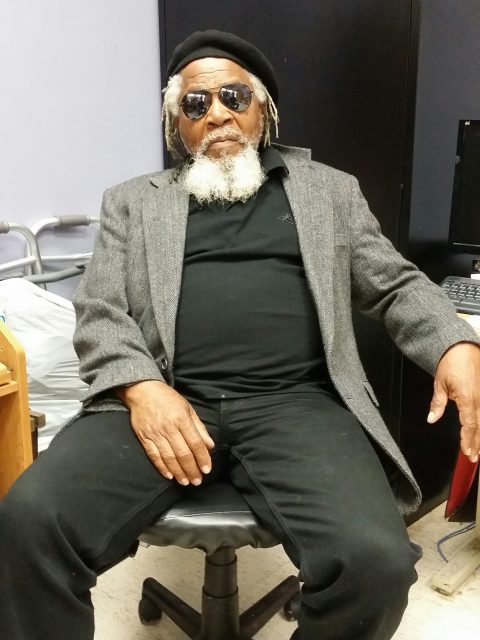 While Louisiana sugar cane plantations were the most dangerous and brutal places in the slavery universe, an interview with local activist and former Black Panther, Malik Raheim, revealed that Louisiana was also home to the most persistent slave revolts and runaway system in America. The maroons of Louisiana lived off the land navigating the bayous and estuaries of Mississippi delta. These runaways were heavily armed and traded with the American Indian tribes of the area.
“There was a free town on the westbank that whites dared not enter. Even the slave catchers dared not enter Freetown,” roared Raheim. “These men knew the bayous from Algiers to the Gulf and from Laplace to Lake Pontchartrain.” Louisiana slave catching police were notoriously barbaric. Chopping off a single foot to deter running away or brutally whipping men for the slightest disrespect regulated the daily travels between plantations of slaves. “Ironically the oldest township in Jefferson Parish,” says Raheim, “was a town for free black men and runaway slaves that even the white slave catchers were afraid to go into!”
A large section of the national museum focuses on Louisiana and supports the claims of Raheim. According to the museum, “Louisiana had the largest maroon or runaway settlements in North America. Escaping into the protection of the swamps and bayous, enslaved Africans and often Native Americans created societies apart from colonial governments. Usually well-armed, slaves and maroons from various plantations met regularly in the swamps and exchanged goods and news. By the time the American Revolution was drawing to a close, the maroons controlled vital parts of the Louisiana territory.”
Learning about the rich, vibrant and independent history of African Americans in our state and country will help transform the lives of people today.
