
Trouble In Our Way: Can Working Families Still Afford New Orleans?
By Otis Tucker, Jr.
I grew up in the Lower Ninth Ward nearly my whole life — rooted there like the legendary Fats Domino. I’ve seen New Orleans celebrate itself a thousand different ways: second lines rolling through side streets, brass bands shaking old windows, and neighbors grilling in folding chairs like the whole block got invited.
However, I’ve also watched people quietly pack U-Hauls at sunrise and leave without saying much at all. These days, it feels like the city is standing at a crossroads, and everybody can feel it.
A City People Are Leaving Behind
There’s a real shift happening in New Orleans right now. Some people call it “implant flight” — newcomers realizing the city they romanticized on Instagram comes with hard realities.
But it’s not just transplants leaving anymore. Lifelong locals are leaving too.
Teachers, bartenders, musicians, nurses, and families who’ve been here for generations are asking a question that would have sounded impossible twenty years ago:
Can regular working people still afford to stay in New Orleans?
The numbers tell part of the story. Property values across the city have softened going into 2026. Average home prices have dropped, listings are sitting longer, and buyers suddenly have options again.
On paper, that sounds like relief. In reality, it feels far more complicated.
Lower prices do not matter much when insurance keeps climbing, taxes and utility bills keep rising, and basic infrastructure feels held together with duct tape and prayer.
The Slow Collapse of Small Business
Then there’s the restaurant industry — one of the beating hearts of New Orleans culture.
Over the last several years, the city has watched an unprecedented wave of restaurant and bar closures. Places like Justine, MoPho, Maypop, BABs, and Patio 17 were not just businesses. They were gathering places, date-night spots, job creators, and pieces of the city’s personality.
Meanwhile, rising costs, labor shortages, crushing insurance rates, and changing tourism patterns have made survival harder for the small businesses that once defined New Orleans culture.
Infrastructure Under Pressure
At the same time, the city’s infrastructure is showing its age in public.
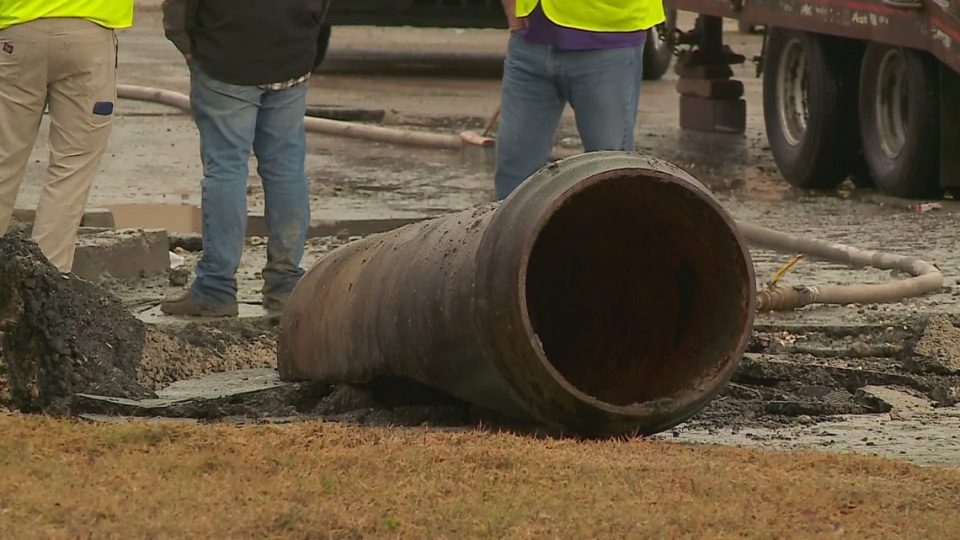
Water main breaks have become so common that people barely stop scrolling when they see another one online. Streets flood after heavy rain like it’s routine now. Pumps fail. Boil-water advisories pop up.
In some neighborhoods, you can smell the sewer system before you even see the standing water.
The reality is simple: much of New Orleans’ infrastructure was never designed to carry this level of pressure for this long. Decades of deferred maintenance are finally collecting interest.
And while residents deal with all of this, city leaders continue raising fees and taxes just to keep essential services functioning.
Nobody is pretending governing New Orleans is easy. Still, frustration keeps growing among residents who feel like they are paying more every year while receiving less stability in return.
Related: Black Neighborhoods Pay More for Insurance
Climate Anxiety Is No Longer Abstract
Then came the warning that really sat heavy with me.
Researchers and coastal experts are openly discussing the possibility that south Louisiana — including New Orleans — may eventually need a long-term retreat strategy farther north.
That conversation once sounded extreme. Now it sounds like policy planning.
Land loss, stronger storms, rising insurance costs, and failing infrastructure have pushed climate anxiety from the background straight into everyday life.
Why New Orleans Still Fights to Survive
But here’s the thing outsiders still do not fully understand about New Orleans:
This city has always lived somewhere between survival and celebration. That tension is part of its DNA.
We complain about it, joke about it, threaten to leave it — but we also love it with a stubbornness that does not make logical sense.
I still believe New Orleans has a future. Maybe not the easy, glossy version sold to tourists, but a tougher, more honest one built by people who refuse to let the soul of this city disappear.
Because as long as the sun rises in New Orleans East and settles beyond Uptown and the Westbank, this city will keep moving to its own rhythm.
That’s New Orleans, baby.

Still proud to call it HOME!!!!