
In an unexpected twist of political theater, Louisiana’s self-proclaimed “law and order” Governor has decided to cut funding for First 72+. The First 72+is a nonprofit organization renowned for its efforts in reducing recidivism. One might assume that a governor committed to public safety would eagerly support programs that help former inmates reintegrate into society, thus preventing future crimes. However, it seems political calculations have led to a baffling decision that undermines one of the state’s most effective crime-fighting organizations.
The First 72+: A Pillar of Crime Prevention
First 72+ is not just another nonprofit. Founded in New Orleans, it provides crucial support to individuals released from incarceration. The organization offers transitional housing, employment assistance, and vital social services, all within the critical first 72 hours of release – a period often regarded as make-or-break for those attempting to reintegrate into society. By addressing the immediate needs of former inmates, First 72+ has achieved remarkable success in reducing recidivism. Their great work enhances public safety.
Their comprehensive approach includes providing safe housing, job training, legal assistance, and even mental health services. The statistics speak for themselves: participants in First 72+ programs are significantly less likely to return to prison compared to the general released population. The organization is a beacon of hope in New Orleans. New Orleans is a city that continues to grapple with high crime rates and systemic inequality.

The Governor’s Curious Decision
Despite its proven track record, First 72+ has found itself on the chopping block. The governor, whose campaign was heavily predicated on enhancing public safety, has inexplicably cut state funding for the organization. One might wonder if this is an elaborate exercise in political irony, where actions speak louder than campaign slogans.
Supporters of the governor argue that budget constraints necessitate tough choices. Indeed, balancing a state budget is no easy feat, and some programs inevitably face cuts. But the funds for this program did nothing to increase the budget. In fact, the savings simply go back into the state’s coffers. So, it’s worth questioning why the governor targeted an organization that directly contributes to reducing crime. It’s akin to a firefighter deciding to save water by putting out fewer fires.
Positive Impact on New Orleans
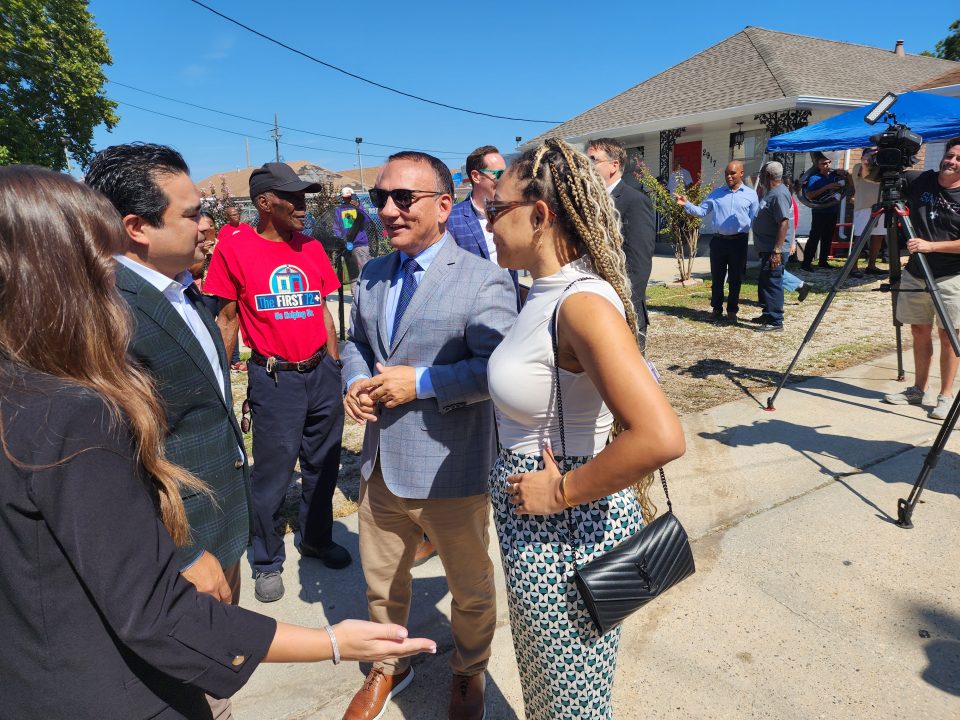
First 72+ has been a game-changer for New Orleans. By focusing on the root causes of recidivism, it has helped countless individuals rebuild their lives and avoid returning to criminal activity. The organization’s work reduces the strain on the prison system, saves taxpayer money, and contributes to safer communities. It’s a win-win situation, or at least it should be in any rational analysis of public safety and fiscal responsibility.
Participants in First 72+ programs often speak about the transformative impact the organization has had on their lives. From securing stable employment to reuniting with their families, the stories of redemption and hope are plentiful. These are not just individual success stories but collective gains for society. By reducing the cycle of crime and incarceration that has plagued New Orleans for decades all of us are safer.
Questioning the Governor’s Motives
So, what could possibly motivate a governor to cut funding for such a beneficial program? Critics suggest that the decision is politically motivated, aimed at appeasing certain voter blocs or shifting funds to more visible projects that offer immediate political capital. It’s a familiar tale in politics: long-term benefits are often sacrificed for short-term gains.
Moreover, this decision raises broader questions about the governor’s priorities. If public safety and reducing crime are truly at the top of the agenda, cutting funding for an effective anti-recidivism program seems counterintuitive at best and counterproductive at worst. It’s almost as if the governor is playing a game of political chess, where the pawns – in this case, vulnerable individuals seeking a second chance – are expendable.
The Call for Reinstatement
The irony is palpable. A “law and order” governor cutting funds from a program that helps reduce crime is like a chef deciding to stop using knives because they’re too sharp. First 72+ deserves continued support and funding, not just because it’s the right thing to do, but because it works. The program’s success in reducing recidivism and aiding former inmates in becoming productive members of society is a clear benefit to all.
While budgetary constraints are real, the decision to cut funding for First 72+ is a shortsighted one. The governor must reconsider and reinstate the funding for this vital organization. The safety and well-being of Louisiana’s communities depend on it. After all, true leadership involves making decisions that benefit the greater good, not just the political playbook.
