

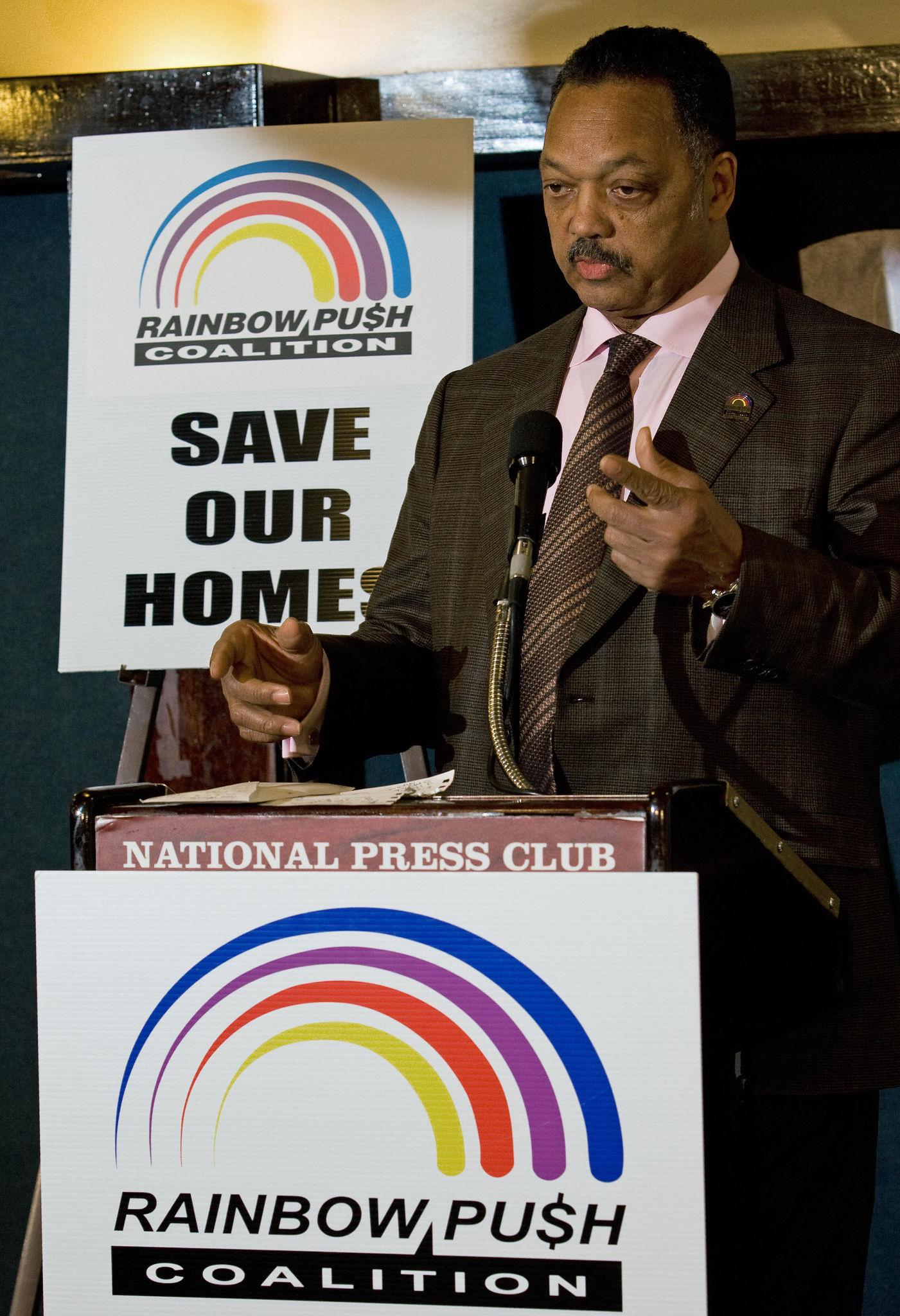
Rev. Jesse Jackson is one of the most consequential political figures in modern American history. He did not merely march in the Civil Rights Movement. He helped translate it into political power.
And he expanded the battlefield from protest lines to ballot boxes.
He turned moral authority into electoral leverage.
And he forced America to confront its contradictions on a national stage.
From the Movement to the National Platform
Jackson rose to prominence as a close associate of Martin Luther King Jr.. He was present during the Poor People’s Campaign and stood near King in Memphis during the final days before the assassination.
But Jackson’s defining contribution came after the 1960s.
While many leaders remained rooted in protest politics, Jackson understood something essential: power must be institutionalized.
He founded Operation PUSH and later the Rainbow PUSH Coalition, building an organization that fused civil rights advocacy with economic pressure and corporate accountability.
He negotiated with Fortune 500 companies.
And he demanded minority hiring.
He leveraged boycotts.
He forced access where doors were historically closed.
The Presidential Campaigns That Changed American Politics
In 1984 and again in 1988, Jesse Jackson ran for president of the United States.
Those campaigns were not symbolic exercises. They were transformational.
In 1988, Jackson won 13 primaries and caucuses and finished second in the Democratic nomination process. He built what he called the “Rainbow Coalition” — a political alliance of Black voters, Latinos, working-class whites, farmers, labor unions, and progressives.
He proved that a Black candidate could compete seriously for the presidency on a national scale.
Before Barack Obama, there was Jesse Jackson.
His campaigns expanded voter registration, increased Black turnout, and reshaped the Democratic Party’s platform on issues of social justice, economic equity, and international human rights.

He made America see the possibility.
Related: Student Activism in Louisiana
Economic Justice as Strategy
Jackson’s activism was not limited to race rhetoric. He centered economic access.
He pushed for:
- Corporate diversity before it was mainstream.
- Fair lending practices.
- Expanded government contracting for minority businesses.
- Voting rights enforcement.
- Sanctions against apartheid South Africa.
He understood that political freedom without economic participation was incomplete.
That clarity distinguished him.
A National Figure Who Understood Local Impact
Jackson did not operate solely in Washington. He showed up in cities across America when racial tension erupted.
He mediated conflicts.
And he stood with workers.
He confronted police brutality.
He demanded accountability from corporate leaders.
Critics accused him of opportunism. Supporters saw strategic presence.
But even critics concede this: he altered the national conversation on race and political inclusion.
A Complicated but Indispensable Legacy
Jesse Jackson’s career was not without controversy. His rhetoric sometimes ignited backlash. His public missteps drew criticism.
But history will not measure him by his flaws alone.
It will measure him by structural shifts.
He helped institutionalize Black political participation.
He broadened the definition of coalition politics.
Jesse Jackson paved a path for future Black presidential candidates.
He made the Democratic Party respond to Black voters as a decisive bloc.
That is structural impact.
The Larger Meaning
Jesse Jackson represented a bridge generation.
He stood at the intersection of:
- Street protest and electoral politics.
- Moral appeal and economic leverage.
- Civil rights and corporate accountability.
He carried forward the urgency of the 1960s into the machinery of American politics.
Without Jesse Jackson, modern coalition politics looks different.
Without Jesse Jackson, the pathway for national Black presidential candidates is narrower.
And without Jesse Jackson, the language of inclusion in party platforms evolves slower.
He forced America to widen its imagination.
Jesse Jackson did not simply speak about power.
He pursued it.
He organized it.
Yes! He demanded it.
And in doing so, he reshaped the political architecture of modern America.