

TL;DR
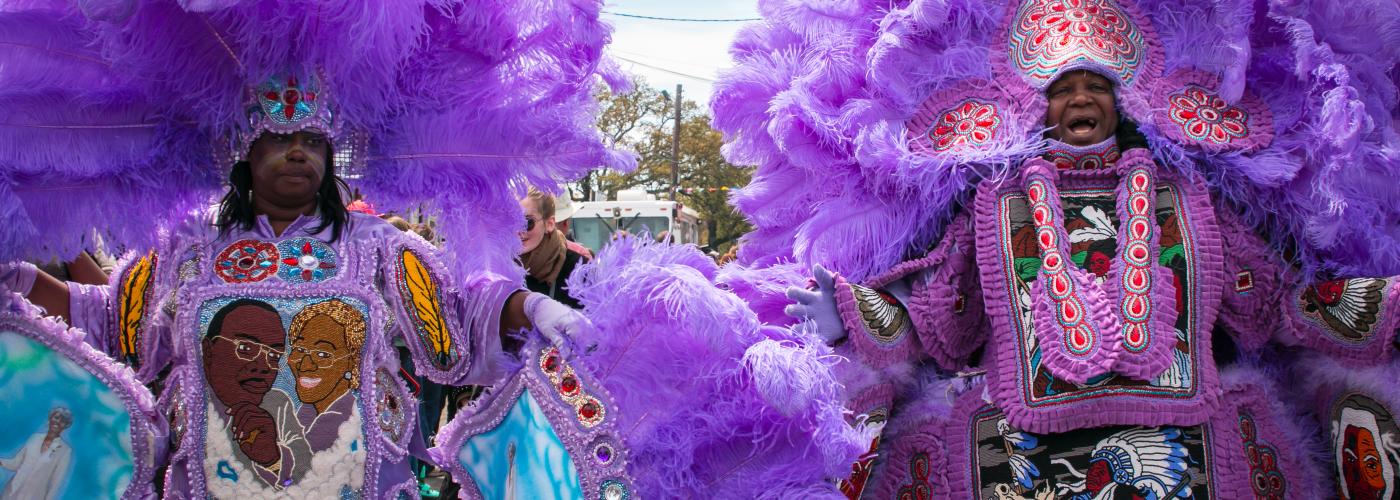
In New Orleans, culture is not separate from governance — it is governance. Black cultural institutions like the Mardi Gras Indians, Zulu, Skeletons, and Baby Dolls generate real resilience, economic value, and civic organization. Public policy must reflect lived Black experience, not abstract debates. Leaders must treat culture as infrastructure, not ambiance.
Mardi Gras Is Governance, Not Decoration
BlackSourceMedia covers politics, but it also covers culture and relationships for a reason. In Black New Orleans, these are not separate spheres. They never have been.
Culture is how Black people organized when institutions excluded us. It is how we governed ourselves when policy ignored us. Any leadership model that treats culture as a side issue misunderstands how this city survives.
Mardi Gras exposes that truth every year.
Black Cultural Institutions Are Not Side Attractions
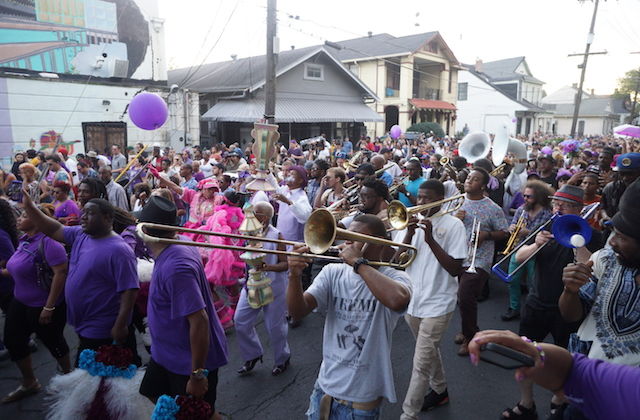
From the Mardi Gras Indians to Zulu, from the Skeletons to the Baby Dolls, Black participation is often mislabeled as tradition or pageantry. That framing is wrong.
These are institutions. They are self-funded. And they are intergenerational. They require discipline, planning, and economic sacrifice.
Indians sew for an entire year. Zulu organizes thousands because mutual aid is governance. Skeletons and Baby Dolls claim space because visibility is power. These traditions organize people, move resources, and preserve community identity. That’s governance by another name.
Cultural Vitality Is Resilience
Culture is not nostalgia in New Orleans. It is infrastructure.
It teaches discipline. Plus it enforces accountability. It builds mutual aid.
Zulu’s structure models collective responsibility. Indian tribes model leadership development and succession. Baby Dolls and Skeletons assert presence where invisibility was once enforced.
These practices do what public policy often only promises.
Why Abstract Policy Fails Black Communities
Public policy fails when it speaks in abstraction.
Terms like logistics, cost control, and optics sound neutral. In practice, they often erase who does the labor and who absorbs the cost. When decisions are made without grounding in lived Black experience, culture becomes the first thing trimmed.
That is not always intentional. But impact matters more than intent.
A Teachable Moment at Gallier Hall
When a decision initially moved toward cutting DJs from the Gallier Hall celebration, it revealed a familiar institutional reflex — one that undervalues cultural labor because it feels informal or guaranteed.
Mayor Helena Moreno corrected the decision quickly and acknowledged the mistake. That matters. It shows openness and accountability.
But the larger lesson is not about one moment. It is about bias that operates quietly — through assumptions that culture will show up regardless or that recognition substitutes for pay.
Culture Bearers Must Be Paid — Period
Black leadership that integrates culture with governance understands one core truth: culture is infrastructure.
Infrastructure gets funded. Infrastructure gets protected. And infrastructure gets planned for.
Paying DJs, artists, Indians, parade crews, and culture workers is not indulgence. It is economic justice and smart governance.
Leaders Who Bridge Culture and Governance Get Results
Effective Black leaders do not manage culture down; they govern with it.
They consult culture bearers early. Also, they budget intentionally. They respect informal institutions that produce real outcomes.
This approach reduces conflict, builds trust, and strengthens civic legitimacy.
Intersectional Black Leadership Is the Way Forward
Intersectional Black leadership refuses false separations.
Culture sustains morale. Resistance protects space. Governance allocates resources.
When aligned, New Orleans thrives. When disconnected, the city stumbles.
Mardi Gras is not just a celebration. It is a governance lesson. Black New Orleans has already done the work — organizing, funding, and preserving its culture.
The task for leadership is simple but demanding: meet the people where they already are — and govern accordingly.