
TL;DR
Feeling tired after a full night of sleep is not just stress and it is not just age. For many of us, it is a medical condition called sleep apnea — and it is quietly raising our risk of stroke, heart disease, diabetes, and memory problems. The good news is that it is diagnosable, treatable, and manageable. This article tells you exactly what to look for and what to do.
Key Points
- Loud snoring is not the only sign of sleep apnea — many people have it without realizing it.
- Untreated sleep apnea significantly raises the risk of stroke, heart disease, and high blood pressure.
- Black adults face higher rates of hypertension and diabetes, both of which increase sleep apnea risk.
- A simple sleep study — which can often be done at home — can diagnose the condition.
- Modern treatments are effective and life-changing. You do not have to keep waking up exhausted.
Why So Many of Us Wake Up Tired — and Why That Exhaustion Could Be Dangerous
I want you to think about someone you love. Maybe it is your husband, your father, your sister, or your best friend. She goes to bed at a decent hour every night. She is not out late. She is doing everything she is supposed to do. But every single morning, she wakes up dragging. Coffee barely helps. By midday she is fighting to stay awake. And when you ask how she is doing, she says the same thing she always says: “Girl, I am just tired. It is probably stress.”
That story lives in almost every Black family I know. We have normalized exhaustion in ways that are genuinely hurting us. We tell ourselves it is age, it is work, it is the weight of everything we carry. Sometimes that is true. But sometimes — more often than our community realizes — that bone-deep, never-goes-away fatigue is a medical condition that has a name, a diagnosis, and a treatment. It is called sleep apnea. And it is quietly doing serious damage to our hearts, our brains, and our blood pressure while we sleep.
It May Not Be Stress. It May Be Your Breathing.
Obstructive sleep apnea happens when the muscles in the back of your throat relax during sleep and partially or completely block your airway. When that happens, your breathing stops — sometimes for ten seconds, sometimes for a minute or longer. Your brain senses the oxygen drop and jolts you just enough to restart breathing. Then you fall back into sleep. This can happen dozens or even hundreds of times a night.
Here is what makes it so easy to miss: most people do not remember these micro-awakenings. They do not feel themselves waking up. They simply never reach the deep, restorative stages of sleep their body needs — and they have no idea why. As a result, they wake up feeling like they barely slept at all, even after eight hours in bed. They spend their days exhausted. And because they never actually watched themselves stop breathing in their sleep, they have no reason to suspect anything is wrong beyond the usual suspects — stress, age, a busy life.
That is why sleep apnea is one of the most underdiagnosed conditions in America — and one of the most underdiagnosed in our community specifically.
What Happens to Your Body When Sleep Apnea Goes Untreated
I need you to understand this part clearly, because this is where the stakes get serious. Sleep apnea is not simply a nuisance condition that makes you tired. When it goes untreated, it puts your heart and brain under prolonged stress every single night.
Every time your breathing stops and your oxygen drops, your body responds with a surge of stress hormones and a spike in blood pressure. Over months and years, that nightly stress wears down the cardiovascular system in ways that matter. Untreated sleep apnea significantly raises the risk of high blood pressure that is difficult to control with medication. It raises the risk of heart disease, irregular heart rhythms, and heart attack. It raises the risk of stroke. Furthermore, it is closely linked to worsening type 2 diabetes, memory problems, and depression.
For our community, that list is not abstract. Black adults already face higher rates of hypertension, diabetes, and stroke than any other group in America. When sleep apnea goes undiagnosed and untreated on top of those existing conditions, the compounding effect on our health is serious. We cannot afford to keep treating chronic exhaustion as just a way of life.
Why Our Community Gets Diagnosed Less — and What We Can Do About It
Part of what makes sleep apnea so common in our community is biology. Hypertension and obesity are established risk factors — and both are more prevalent among Black adults. Structural differences in airway anatomy also play a role. However, part of what makes it go undiagnosed in our community is culture and access.
We are raised, many of us, to push through. To not complain. To handle it. We describe our symptoms to doctors and sometimes our concerns get minimized or redirected. We do not always have access to a specialist or a sleep clinic. And even when we suspect something is wrong, we may not know that what we are experiencing — the snoring, the morning headaches, the fog — adds up to something a doctor could actually diagnose and treat.
So I want to say this directly to every Black woman, man, and family member reading this: your fatigue deserves a medical evaluation. Chronic exhaustion is not a character trait. It is not weakness. It is not something you simply have to accept. It is a symptom — and symptoms can be investigated, diagnosed, and treated.
Warning Signs You Should Not Ignore
Sleep apnea shows up differently in different people, which is another reason it gets missed. Not everyone snores loudly. Not everyone gasps dramatically in their sleep. Some people have what is called “silent” sleep apnea — they simply wake up exhausted every morning with no obvious explanation. That said, here are the signs most commonly associated with the condition. If several of these sound familiar, it is time to talk to a doctor.
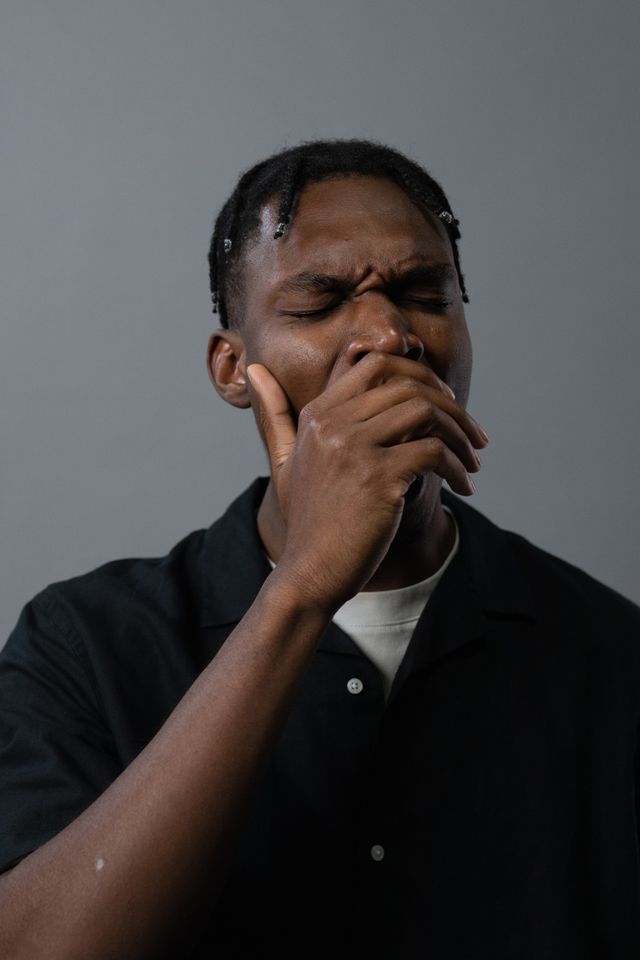
Loud or chronic snoring — especially if a partner has noticed you seem to stop breathing during sleep. Waking up gasping or choking. Morning headaches that are present when you first wake up and fade as the day goes on. Dry mouth or sore throat in the morning. Extreme daytime sleepiness — not just tiredness, but the kind where you struggle to stay awake in a meeting, in the car, or in front of the television. Difficulty concentrating or remembering things. Irritability or mood changes that seem out of proportion to what is going on in your life. And perhaps most importantly for our community — blood pressure that is difficult to control even when you are taking medication consistently. That last one is a major red flag that sleep apnea may be at work.
The Good News: Diagnosis Is Easier Than You Think
Here is where I want to shift the energy in this conversation — because there is genuinely good news here, and I do not want you to walk away from this article feeling only afraid. Sleep apnea is one of the most treatable conditions in medicine. And getting diagnosed is significantly easier than it used to be.
The first step is simply talking to your doctor about your symptoms. From there, many people can be diagnosed with a home sleep test — a small device you wear overnight in your own bed that monitors your breathing, oxygen levels, and heart rate. You do not have to sleep in a clinic with electrodes attached to your head. For many cases, a home test is all that is needed to confirm the diagnosis and begin treatment.
For more complex cases or when additional information is needed, an overnight sleep study at a sleep center provides a complete picture of what is happening during sleep. Either way, the path from suspicion to diagnosis is shorter than most people expect.
Treatment Options That Actually Work
The most commonly prescribed treatment for sleep apnea is CPAP therapy — a machine that delivers a gentle, continuous stream of air pressure through a mask while you sleep, keeping your airway open throughout the night. CPAP has a reputation for being uncomfortable, and for some people it takes adjustment. However, for most people who stick with it, the results are life-changing. Many describe sleeping through the night for the first time in years — waking up actually rested, with more energy, better mood, and improved blood pressure.
For those who cannot tolerate CPAP, oral appliances — custom-fitted devices that reposition the jaw and tongue during sleep — are an effective alternative for mild to moderate sleep apnea. Additionally, lifestyle changes play a meaningful role. Weight loss, even modest amounts, can significantly reduce the severity of sleep apnea. Sleeping on your side rather than your back, reducing alcohol especially in the evening, and treating nasal congestion can all make a measurable difference.
For severe cases that do not respond to other treatments, surgical options exist as well. The point is this: there is no reason to simply accept years of exhaustion as inevitable when effective, well-researched treatments are available.
What You Can Do Right Now
Start the conversation — with yourself, with someone you love, and with your doctor. If you have been waking up tired for months or years, if you snore loudly or have been told you stop breathing in your sleep, if your blood pressure is stubborn despite medication — make an appointment and describe those symptoms specifically. Tell your doctor you want to be evaluated for sleep apnea. You are allowed to name what you want to investigate.
If you are reading this and thinking of someone else — a husband who snores so loud the walls shake, a mother who falls asleep the moment she sits down, a friend who says she is always tired — share this article with them. Sometimes we need someone else to name the thing we have been living with so long we stopped questioning it.
Good sleep is not a luxury. It is the foundation that everything else in our health is built on — our heart, our brain, our mood, our ability to show up for the people we love. You deserve to wake up rested. If you are not, find out why. Your body has been trying to tell you something. It is time to listen.
Related Reading on Black Source Media
Sources
- American Academy of Sleep Medicine — Obstructive Sleep Apnea Clinical Guidelines, 2024
- American Heart Association — Sleep Apnea and Cardiovascular Risk, 2023
- National Heart, Lung, and Blood Institute — Sleep Apnea: Causes, Symptoms, and Treatment
- Journal of the American Medical Association — “Sleep Apnea in Black Adults: Prevalence and Diagnosis Gaps,” 2023
- Centers for Disease Control and Prevention — Hypertension and Diabetes Prevalence by Race, 2024
- National Heart, Lung, and Blood Institute — Sleep Apnea Overview
Denise Tureaud
Denise Tureaud writes about health, wellness, and community life for Black Source Media. A New Orleans insider, she leads with heart before data and believes that healing our community starts with telling it the truth.
