

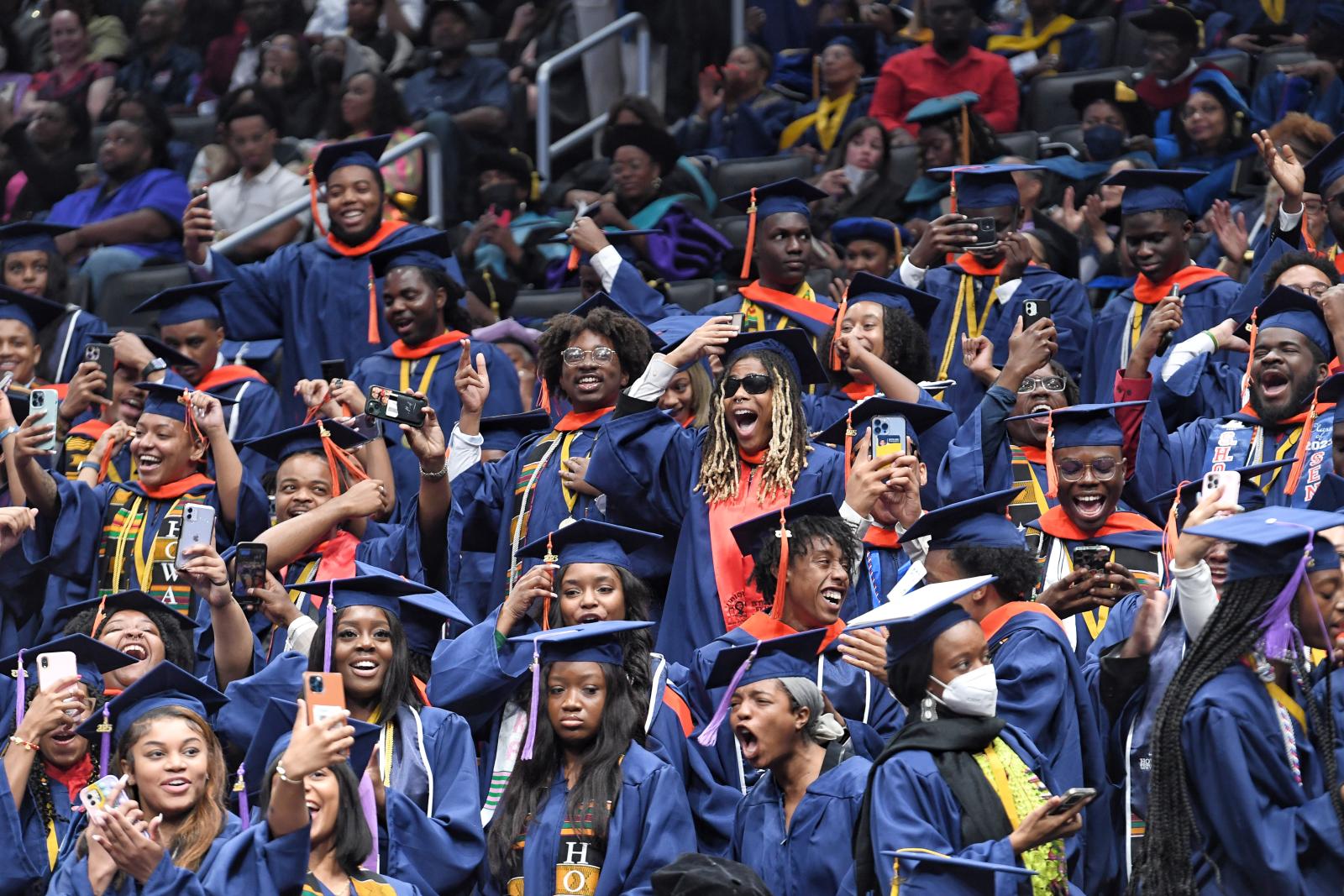
Historically Black Colleges and Universities represent roughly 3% of American colleges and universities.
Yet they produce nearly 20% of Black college graduates nationwide.
That output is not accidental.
HBCUs were built with mission clarity: produce teachers, doctors, engineers, lawyers, scientists, and civic leaders when mainstream institutions refused to admit Black students — or admitted them but failed to graduate them.
Today, they remain one of the most powerful professional pipelines in America.
Not because of sentiment. Because of structure.
Below is a ranking by professional output, reputation, and measurable influence across the fields that build the Black middle and upper class.
🩺 Top HBCUs for Medicine & Health Professions
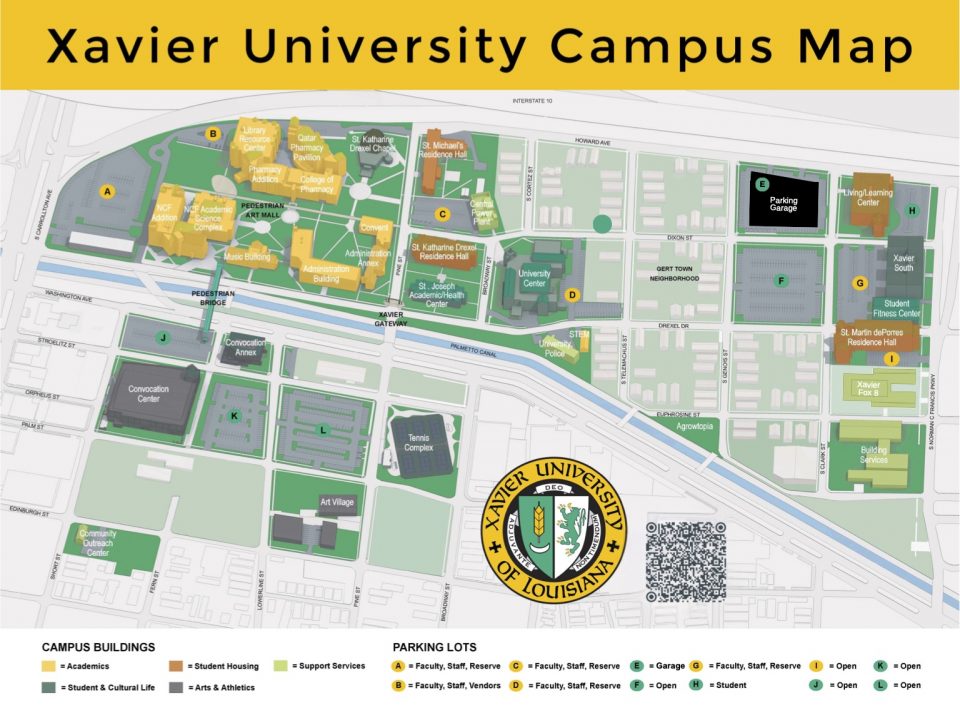
1. Xavier University of Louisiana
Xavier is the #1 university in the United States for placing African Americans into medical school.
Not number one among HBCUs.
Number one among all American institutions.
Read that again.
A small Catholic HBCU in New Orleans with roughly 3,000 students consistently outperforms Harvard, Stanford, Yale, Duke, and every other university in the nation in sending Black students to medical school.
That is not luck. That is institutional design.
Xavier’s structured pre-med pipeline, mandatory advising system, academic rigor, and expectation culture are elite. Students don’t hope to become doctors. They are prepared to become doctors.
And its College of Pharmacy deserves equal recognition.
Xavier’s College of Pharmacy is consistently ranked as one of the strongest pharmacy programs in the nation — Black or white. It produces a significant share of Black pharmacists in America and maintains academic standards comparable to top-tier pharmacy schools nationwide.
Xavier is not simply producing doctors.
It is producing physicians, pharmacists, dentists, and healthcare leaders at scale — proving that Black students don’t need lowered standards. They need structured preparation and institutional commitment.
Related: Dr. Norman Francis: The Man Who Built a Medical Pipeline in New Orleans
2. Howard University
Home to one of the most respected historically Black medical schools in the nation. Howard’s medical school, the oldest Black medical school that is still operating today, produces Black physicians, dentists, and healthcare professionals with national influence. Howard’s medical school was established just three years after the Civil War ended and became a critical institution for training Black physicians during segregation, when most medical schools barred Black students.
3. Meharry Medical College
A specialized medical institution with deep national reach in physician and dental education. Meharry alumni shape healthcare policy and practice across the South and beyond.
4. Florida A&M University
Nationally respected for its pharmacy program and broader health sciences output. A consistent producer of Black healthcare professionals.
5. Dillard University
A well-known regional pipeline for nursing and healthcare professionals, particularly in Louisiana and the Gulf South.
⚙️ Top HBCUs for Engineering & STEM
1. North Carolina A&T State University
The largest producer of Black engineers in the United States.
Not the largest HBCU producer. The largest producer, period.
N.C. A&T has a strong federal research footprint, corporate partnerships with major engineering firms, and an institutional culture that builds technical excellence. Its graduates are employed by NASA, Boeing, Lockheed Martin, and every major engineering sector in America.
2. Prairie View A&M University
A long-standing engineering powerhouse with deep ties to Texas industry. Prairie View consistently produces Black engineers who enter the energy, aerospace, and construction sectors.
3. Tuskegee University
Historic STEM institution with recognized aerospace and mechanical engineering programs. Tuskegee built its reputation on precision, and that legacy continues.
4. Florida A&M University
Strong engineering and applied sciences programs with expanding research capacity and industry partnerships.
⚖️ Top HBCUs for Law & Public Leadership
1. Howard University School of Law
One of the most influential Black law schools in American history.
Howard Law produces judges, legislators, civil rights attorneys, corporate counsel, and legal strategists who shape policy at every level. If you’re tracking Black legal power in America, Howard is the epicenter.
2. Texas Southern University – Thurgood Marshall School of Law
A major attorney pipeline, especially in Texas and the South. Thurgood Marshall School of Law produces prosecutors, defense attorneys, judges, and legislators who dominate legal practice in one of the nation’s largest states.
3. Southern University Law Center
The key producer of Black attorneys and judges in Louisiana and the Gulf South. Southern’s alumni hold significant judicial and prosecutorial power across the region.
🎓 Top HBCUs for Doctoral Production & Research
1. Howard University
Consistently among the top producers of Black PhDs across disciplines — from political science to biology to engineering. Howard is a research institution with national reach.
2. North Carolina A&T State University
A research-intensive public HBCU with expanding doctoral programs and growing federal research funding. N.C. A&T is building the next generation of Black scholars and scientists.
3. Morgan State University
A growing national research institution with a strong international scholar presence and expanding STEM doctoral capacity.
👩🏾⚖️ Women’s Professional Leadership
1. Spelman College
Consistently ranked the top HBCU overall.
Spelman is a dominant producer of Black women entering graduate programs, STEM fields, law schools, medical schools, and public leadership roles. If you’re looking for where Black women are being prepared to lead America, Spelman is the answer.
Enrollment Powerhouses
Largest by enrollment:
- North Carolina A&T State University
- Howard University
- Prairie View A&M University
- Florida A&M University
- Texas Southern University
But scale does not equal pipeline strength.
Xavier proves that focused institutional design can outperform much larger institutions in professional placement. Small does not mean weak. Mission clarity matters more than size.
The Structural Truth
HBCUs operate with smaller endowments, less federal research funding, and historically unequal state appropriations.
Yet they consistently outperform in:
- Black medical school admissions
- Black pharmacy production
- And Black engineering degrees
- Black PhD production
- Black female professional advancement
- Yes Black legal profession entry
This is not about talent. Talent is everywhere.
This is about infrastructure.
The professional class is not random. It is cultivated.
And HBCUs remain one of the most powerful — and underestimated — engines behind Black America’s professional rise.
They don’t just educate students. They build doctors, engineers, lawyers, scientists, and leaders at scale.
That is not inspiration. That is institutional power.
And it cannot be replicated by good intentions alone.