
August is here—and so is the anxiety.
For every New Orleanian who lived through Hurricane Katrina, these late summer days stir something deep. Whether you evacuated to Houston, stayed in Gentilly, or waded through water in the Superdome, the memories return like clockwork. The wind. The silence after the surge. The helicopters. The heartbreak.
But out of the devastation came something extraordinary—New Orleans refused to die.
Rebuilding New Orleans, Block by Block
In the aftermath of the storm, it wasn’t FEMA or federal aid that brought the city back to life. It was neighbors helping neighbors. Grandmothers shared red beans and rice from ice chests. Fathers swam through flooded streets with their children. Teenagers rescued elders with borrowed boats. Churches turned into shelters and kitchens.
Black families led the charge—rebuilding homes, reopening businesses, and restoring communities with their own hands. In places like the Lower Ninth Ward, New Orleans East, and Pontchartrain Park, the recovery was fueled by love and persistence.
New Orleans Culture: Stronger Than the Storm
They said Katrina would silence the music. But the city played on.
Brass bands marched through broken streets. Mardi Gras Indians sewed their suits in FEMA trailers. Bounce music blared from battered SUVs.
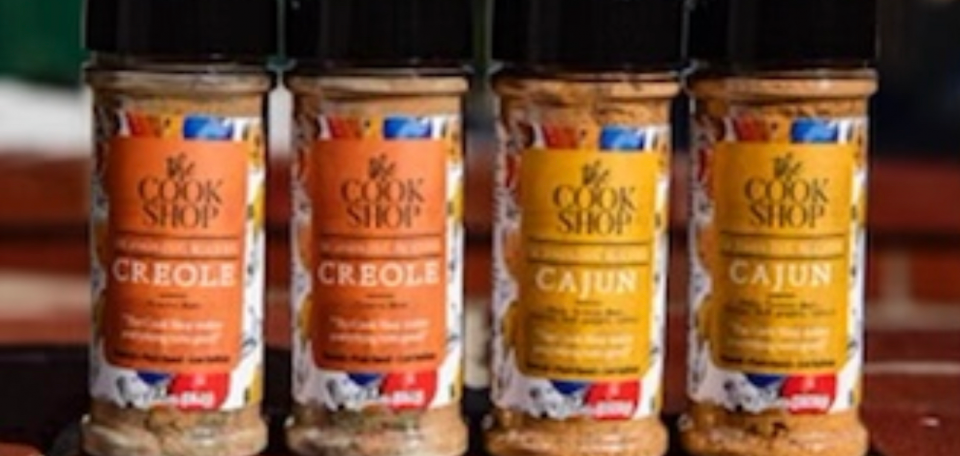
Even the food evolved. Po’boys got spicier. Gumbo gained new ingredients. Restaurants led by returnees created dishes that blended tradition with change. The soul of New Orleans cuisine never left—it adapted.
A Generation Born After Katrina
Children born after 2005 are now turning 18. They never saw the storm, but they live in its shadow. Their schools are new, their neighborhoods changed. Some never knew the houses or relatives that once stood nearby.
Yet, they are the future of New Orleans. Raised on stories of survival and strength, they walk with pride. They celebrate Mardi Gras with reverence. They join second lines with joy and power. And they carry the spirit forward.
Why Remembering Hurricane Katrina Still Matters in 2025
This piece is part of our Katrina Memorial Series, where we explore the legacy of Hurricane Katrina and the resilience of New Orleans. Each story highlights what changed, what endured, and what we must protect.
We remember not to dwell—but to move forward with purpose. The people of New Orleans proved the world wrong. We didn’t just recover—we redefined recovery.
New Orleans Lives Because Its People Do
Katrina may have changed the map. But it didn’t change the music, the food, or the spirit.
The culture is alive. The people are stronger. And the heartbeat of New Orleans never left.
