
City Officials ignored Richard’s Disposal and gave most of the contract to another company. Now we all have to pay the price
By Langston Price
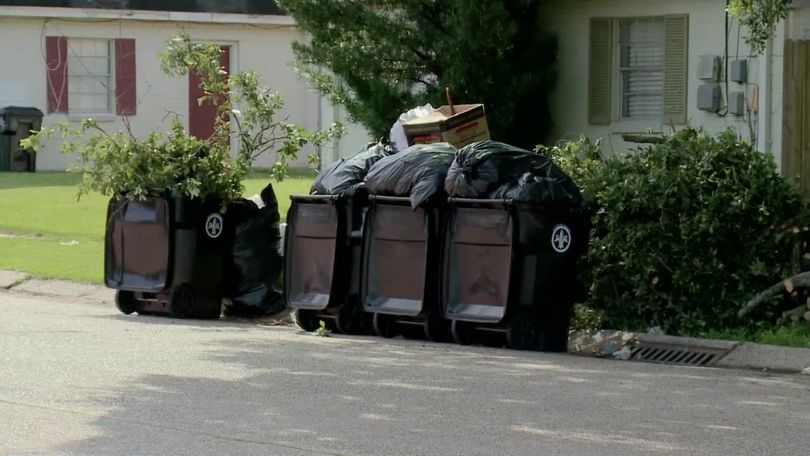
- The residential sanitation fee would rise from $24 to $32.25 per month starting October 1, if approved.
- The city projects $62.5 million in 2026 sanitation costs against roughly $37.7 million in fee collections.
- Once-weekly pickup would remain the service level; twice-weekly collection is not part of the proposal.
- A Legislative Auditor review flagged thousands of questionable billing accounts, including 12,915 addresses sent to contractors for verification.
- The administration says senior and low-income exemption protections will continue under the new rate.
- The City Council is expected to vote on the increase September 3.
New Orleans residents would pay an additional $99 a year for sanitation service under a fee increase Mayor Helena Moreno’s administration has proposed to the City Council.
The proposal would raise the monthly residential sanitation fee from $24 to $32.25, effective October 1 if approved. The council is scheduled to vote on the measure September 3.
Why the City Says the Increase Is Necessary
New Orleans last adjusted its residential sanitation fee in 2011. City officials say fifteen years of flat pricing has left the sanitation fund unable to keep pace with rising costs for labor, fuel, equipment, and contractor services.
The Louisiana Legislative Auditor’s office estimates that adjusting the original $24 fee for inflation alone would put it near $35 today, and that a fee closer to $36 a month would be needed to fully cover the current cost of service.
According to city projections, sanitation service will cost approximately $62.5 million in 2026, while fee collections are expected to total about $37.7 million. That gap, city officials say, has forced the general fund to cover nearly $70 million in sanitation shortfalls since 2023, diverting money that could otherwise go toward streets, drainage, or public safety.
Service Level Stays the Same
The proposed increase would not restore twice-weekly trash pickup, which the city eliminated after Hurricane Ida and later made permanent. Once-a-week collection would continue.
City sanitation officials have said once-weekly pickup remains adequate for most households and that restoring a second weekly collection would cost significantly more. Officials have also said contractors may not be able to provide twice-weekly service before 2028. Black Source Media has previously covered the city’s uncollected-trash complaints in detail: Garbage the Whole Story.
Council President J.P. Morrell has said his office regularly hears requests from residents to bring back twice-weekly pickup. Earlier city estimates put the added cost of a second weekly collection at roughly $12 million a year. More recent discussions have suggested restoring that service could require a larger fee increase or trade-offs involving curbside recycling. Morrell’s own record on the issue has drawn scrutiny; see Black Source Media’s earlier report, City Council President’s Garbage Fight Is Trash.
Where the New Revenue Would Go
City officials say the additional fee revenue would fund several changes beyond covering existing costs. Those include a new Sanitation Strike Team focused on faster response to illegal dumping, expanded litter enforcement, continued access to a free second trash cart, tighter reconciliation between city sanitation records and Sewerage and Water Board billing data, and automatic annual inflation adjustments to the fee going forward.
Billing Errors Complicate the Timing
A Legislative Auditor review identified thousands of sanitation accounts the city could not verify. The administration says 12,915 addresses have been flagged as duplicate, retired, or potentially ineligible for service and have been sent to contractors for confirmation. Earlier reporting put the total number of questionable or potentially ineligible accounts above 20,000.
City officials say the proposed $32.25 rate is deliberately lower than the roughly $36 figure needed to fully cover costs, in part to avoid billing residents on accounts still under review. Officials estimate the remaining subsidy would fall to about $3 million once the fee increase takes effect and the account cleanup is complete. The city says it expects that reconciliation process, along with permanent new billing controls, to be finished by March 2027.
Exemptions for Seniors and Low-Income Residents
The Sewerage and Water Board currently offers sanitation fee exemptions for qualifying elderly and disabled residents who meet income requirements. The Moreno administration says those protections will continue under the new rate structure.
What Happens Next
The City Council is scheduled to take up the sanitation fee proposal on September 3. If approved, the new rate would take effect October 1.
Langston Price is a contributing reporter for Black Source Media (blacksourcemedia.com), covering New Orleans city government, public safety policy, and municipal accountability.

