
Who Really Made New Orleans Safer? The Numbers Challenge the Political Claims
By Jeff Thomas
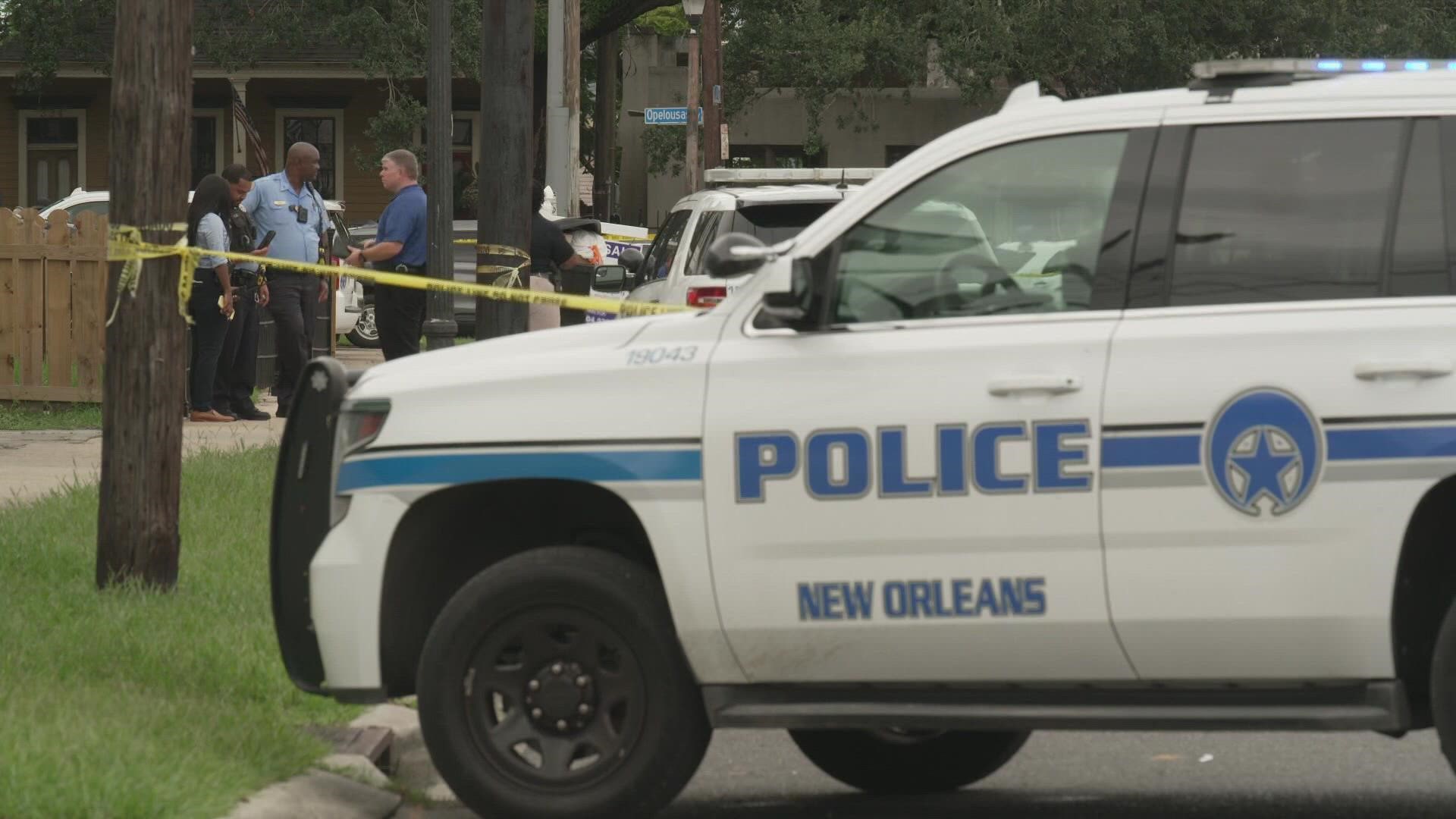
New Orleans has accomplished something that seemed almost impossible four years ago: a real, measurable New Orleans crime decline. Murders have plunged. Shootings have dropped. Carjackings have fallen from the frightening levels residents endured in 2022. Armed robberies have fallen sharply.
Naturally, everybody wants some credit.
Governor Jeff Landry can point to Louisiana State Police and Troop NOLA. Supporters of the National Guard can point to hundreds of soldiers deployed in the city. NOPD can point to new strategies, technology, partnerships, and targeted enforcement.
But who actually made New Orleans safer?
The numbers provide a surprisingly clear answer.
- New Orleans murders fell from 192 in 2023 to 124 in 2024.
- The city’s crime decline started before Troop NOLA existed.
- Violent crime increased about 5% in the 8th District during 2024.
- The rest of New Orleans was improving much faster during Troop NOLA’s first year.
- Crime in the 8th District subsequently fell dramatically.
- Troop NOLA appears to be a contributor, not the original cause.
- The National Guard arrived after several years of declining crime.
- NOPD has the strongest claim to the largest share of credit.
The New Orleans Crime Decline Started Before Troop NOLA
Start with the biggest number.
NOPD recorded 192 murders in 2023. That fell to 124 in 2024, a 35% decline. Armed robberies fell 38%. Carjackings dropped 49%. Nonfatal shooting incidents fell 44%.
Those are extraordinary improvements.
But the New Orleans crime decline did not begin when Governor Landry created Troop NOLA. Crime had already started falling during 2023, after the devastating violence New Orleans experienced in 2022.
That timing matters. If crime starts falling before a new program exists, you cannot credibly claim that program created the decline. You can, however, ask whether it accelerated or sustained it.
That is where Troop NOLA becomes much more interesting.
State Police Put Boots on the Ground
Louisiana State Police created Troop NOLA in 2024 as a permanent specialized unit for New Orleans. Troopers conduct proactive policing, traffic enforcement, gun investigations, drug enforcement, and fugitive arrests. They also work alongside NOPD and federal agencies. State Police established a particularly visible presence around the French Quarter and downtown New Orleans.
That gives us something valuable. We can actually test the political argument. If Troop NOLA drove New Orleans’ dramatic crime reduction, the area where State Police concentrated its presence should have shown especially strong improvement.
At first, it didn’t.
The 8th District Creates a Problem for the Easy Narrative
The NOPD 8th District includes the French Quarter, CBD, Warehouse District, and Convention Center area. According to Metropolitan Crime Commission data, it was the only NOPD district where overall violent crime increased during 2024.
Violent crime rose roughly 5%. Homicides reached 15. Armed robberies increased from 41 in 2023 to 49 in 2024. At the same time, shootings and carjackings declined.
That does not mean State Police caused crime to increase. That would misuse the same statistics we are criticizing politicians for misusing. But it does tell us something important.
Troop NOLA cannot credibly claim it created New Orleans’ dramatic 2024 crime decline. The numbers simply do not support that conclusion.
The Rest of New Orleans Was Improving Faster
The first-half numbers make the comparison even more striking.
During January through June 2023, the 8th District recorded 42 combined homicides, shootings, carjackings, and armed robberies. The same period in 2024 saw that number climb to 45.
Meanwhile, the rest of New Orleans experienced a dramatic violent-crime decline. Citywide, those major violent crimes dropped from roughly 656 incidents during the first half of 2023 to 372 during the first half of 2024.
Remove the 8th District and the contrast becomes even stronger. The rest of the city fell from approximately 614 incidents to 327. That is about a 47% decline outside the 8th District.
This matters because politicians often confuse timing with causation. A new program starts. Crime falls. The new program takes credit. But cities rarely work that neatly.
Then Something Changed Downtown
We also cannot ignore what happened next. The 8th District eventually became substantially safer.
Violent crime fell from 88 incidents in 2024 to 66 in 2025. And that 2025 number includes the 14 victims killed in the Bourbon Street terrorist attack.
By the first six months of 2026, the district recorded 2 homicides, 6 shootings, 0 carjackings, and 7 armed robberies. That is only 15 major violent incidents. Compare that with 45 during the same period in 2024. That represents roughly a 67% reduction.
Something clearly improved. And State Police deserves to be included among the contributors.
Troop NOLA Looks More Like Reinforcement Than the Cause
That is where the evidence takes us.
Troop NOLA entered a city where violent crime was already falling. Its first year provides little evidence that State Police caused the original decline. But after the unit became established, crime in the area with its most visible presence fell substantially.
Troopers also performed real law-enforcement work. They arrested violent offenders, recovered guns, pursued fugitives, and worked cases with NOPD and federal agencies. So dismissing Troop NOLA would be as misleading as giving it all the credit.
The evidence supports a more precise conclusion: Troop NOLA looks more like a reinforcement of New Orleans’ crime decline than the cause of it.
That is still meaningful. Additional officers matter. Increased visibility matters. Removing armed offenders matters. Giving NOPD additional manpower can free local officers for other assignments. But supporting a successful strategy and creating that strategy are different things.
The National Guard Has an Even Weaker Claim
Then came the Louisiana National Guard. Its extended New Orleans deployment began near the end of December 2025. By then, New Orleans had already experienced several years of dramatic crime reduction.
The Guard did not cause the decline of 2023. Nor did it create the downward trajectory already firmly established before soldiers arrived.
The Guard may have provided useful visibility, particularly around major events and tourist areas. It may also have freed police resources for other assignments. Those are legitimate contributions.
But there is no persuasive statistical case that the National Guard created the New Orleans crime decline. The timeline makes that argument nearly impossible.
So Who Deserves the Most Credit?
Start with NOPD. NOPD operates across every district. Its officers were there when crime surged. They were there when crime began falling. NOPD implemented strategies throughout neighborhoods that did not receive the same concentration of State Police or National Guard personnel.
That gives NOPD the strongest claim. But even saying NOPD did it alone oversimplifies the story.
State Police mattered. Federal law enforcement mattered. Prosecutors mattered. Technology mattered. Community organizations mattered. Violence-prevention efforts may have mattered. And violent crime has declined nationally, meaning New Orleans did not operate in isolation.
Cities are complicated systems. Crime rarely rises because of one person. It rarely falls because of one person either.
The New Orleans Crime Decline: The Verdict
Jeff Landry deserves credit for adding State Police resources to New Orleans. Troop NOLA appears to have become a useful part of the city’s law-enforcement system. NOPD deserves substantial credit for producing improvements across the entire city. The National Guard provided additional manpower and visibility during the later stages of the decline.
All of those statements can be true. What the numbers reject is the political temptation for anyone to point at one program and declare, “I did this.”
The New Orleans crime decline started before Troop NOLA. It continued after Troop NOLA arrived. The decline was well established before the National Guard appeared. And it continues today.
The numbers suggest NOPD deserves the largest share of the credit. Troop NOLA likely helped sustain and strengthen the decline. The National Guard arrived too late to credibly claim it started it.
New Orleans should celebrate becoming safer. But understanding why matters. Because if crime begins climbing again, knowing what actually worked will be far more valuable than knowing who won the argument over credit.
For district-by-district crime trends, the New Orleans City Council’s Public Safety Dashboard tracks incidents, response times, and use-of-force data pulled directly from NOPD’s open data.
