
By Langston Price
Let’s be clear about what’s happening in Minneapolis.
Federal immigration agents have shot and killed multiple residents. This happened during enforcement operations over the past several weeks. Unfortunately, these aren’t accidents. Similarly, these aren’t isolated incidents. Most importantly, the victims include U.S. citizens.
This is a dangerous escalation. As a result, it’s sparking protests, legal battles, and urgent questions.
The Latest Shooting
On January 24, 2026, federal agents shot and killed 37-year-old Alex Pretti. The shooting happened on a Minneapolis street. Agents said they acted in self-defense. Nevertheless, his family and video evidence tell a different story.
This killing drew national attention. Subsequently, it triggered mass protests across the city.
Pretti’s death wasn’t the first.
A Pattern of Violence
On January 7, an ICE agent shot and killed Renee Good. Like Pretti, Good was a U.S. citizen. Both deaths happened during Operation Metro Surge. This massive operation deployed thousands of federal officers to Minneapolis.
Local officials demanded access to evidence. Additionally, they wanted to investigate. Federal authorities said they had jurisdiction. Meanwhile, they defended their agents’ use of force.
Businesses urged everyone to de-escalate. Despite this, protests got bigger. Currently, the pressure continues to build.
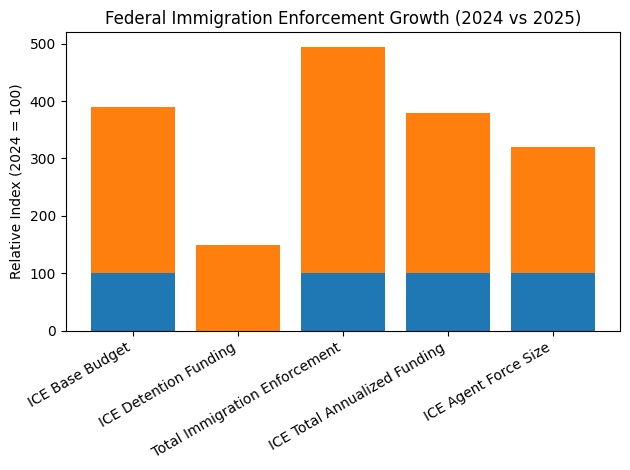
What These Shootings Reveal
These shootings aren’t random tragedies. Rather, they reveal something deeper. Specifically, they show how enforcement power operates in America today.
Federal agents operate with broad authority. At the same time, they have minimal accountability. Even when they use deadly force against U.S. citizens, consequences rarely follow.
Legal Immunity Protects Agents
A Reuters report highlights a critical problem. Federal law enforcement officers have qualified legal immunities. Consequently, holding agents responsible in court is extremely difficult.
You cannot sue federal officers under state law in many cases. Therefore, violations and excessive force often go unpunished.
Supreme Court Expands Enforcement Authority
In 2025, the Supreme Court lifted restrictions on immigration stops. This happened in Los Angeles. As a result, immigration operations can now proceed without previous limits.
These decisions boost federal enforcement authority. Furthermore, advocates say they create conditions for overreach and abuse.
Constitutional Rights Under Pressure
Legal experts point to troubling developments. Recent enforcement practices challenge long-standing protections. Particularly, they challenge Fourth Amendment protections against unreasonable searches.
Agents increasingly rely on administrative warrants. These differ from traditional judicial warrants. Unlike judicial warrants, these raise serious questions. However, experts are still debating how much these undercut constitutional protections.
Federal authorities defend these operations despite mounting criticism. In their view, the operations are necessary. Specifically, they ensure public safety and immigration control.
The deaths of Good and Pretti tell a different story. Both were U.S. citizens. Both were killed during enforcement operations. Nationwide, both deaths have made scrutiny more intense.
A Community on Edge
For Minneapolis residents, these aren’t just headlines. Instead, they’re lived experiences. Understandably, they provoke fear, anger, and demands for accountability.
Protesters have called for transparency. In addition, they demand justice. Some residents fear encounters with federal agents. Local governments are fighting over who can investigate. Similarly, they’re fighting over who can enforce accountability.
These events are especially troubling for several reasons. People involved were legally present. Moreover, they were exercising their rights. Often, they were observing, protesting, or simply living their lives. Then interactions with federal agents turned deadly.
The Minneapolis killings are making distrust worse. In fact, they raise urgent questions. Like, how are enforcement operations conducted? How are communities protected under the Constitution?
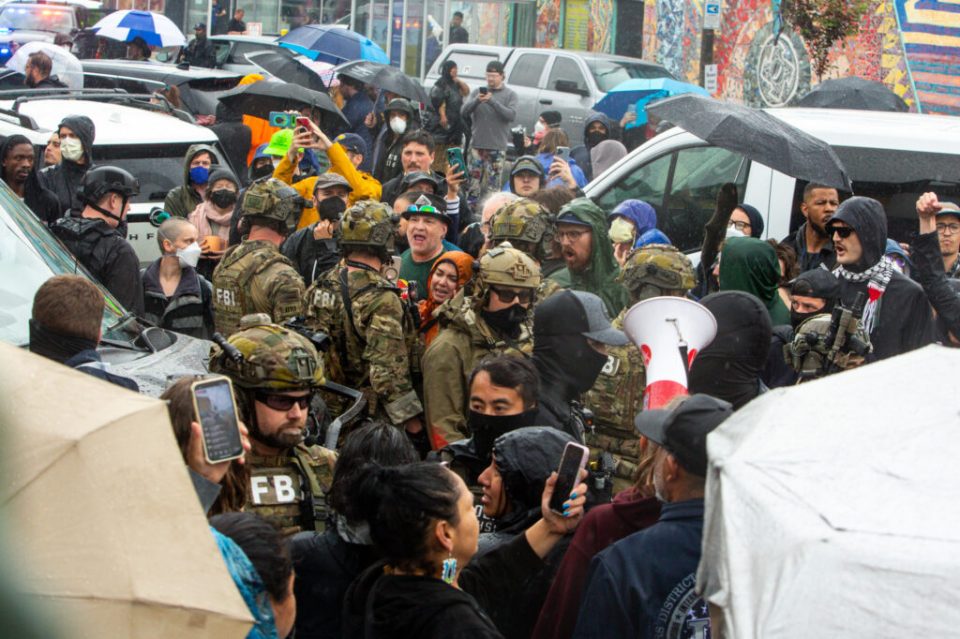
How to Respond Safely and Effectively
People who disagree with federal immigration enforcement tactics have options. Importantly, they must consider safe, lawful, and strategic ways to seek change. Here are approaches that work:
1. Support Legal Action and Accountability
Work with civil rights organizations. Support those pursuing legal challenges. Lawsuits can limit enforcement abuses. Additionally, they clarify constitutional protections.
2. Participate in Peaceful Public Expression
Join peaceful protests and vigils. These actions draw attention. Furthermore, they build solidarity. Most importantly, they show public concern without endangering anyone.
3. Exercise Economic and Civic Engagement
Support organizations that advance reform. Vote for policy changes. Show up to community forums. In addition, give financial support to causes aligned with justice.
4. Educate Your Community
Inform your neighbors. Share information on social networks. Teach people about constitutional rights. Explain enforcement practices. This education reduces fear. Furthermore, it increases informed civic participation.
5. Document and Share Evidence Responsibly
Record what you see. Share verified factual information. This includes videos, witness accounts, and official statements. Ultimately, this strengthens accountability. However, avoid spreading misinformation.
Why This Matters to Everyone
The deaths of Renee Good and Alex Pretti aren’t distant news stories. Rather, they highlight how enforcement authority operates. Particularly, they show what happens when authority is immune from civil recourse.
The victims’ identities don’t change the larger issue. The issue is how federal power is exercised. Similarly, the issue is how constitutional rights are protected.
Communities across the country are watching. These shootings test something important. Namely, they test the balance between enforcement and civil liberties.
Responses in the coming weeks may shape the future. Specifically, they’ll determine something crucial. Ultimately, they’ll determine how immigration enforcement and civil rights intersect in America.
TL;DR — What You Need to Know
- Minneapolis has seen multiple fatal shootings by federal immigration agents
- Victims include U.S. citizens, sparking major protests
- Recent Supreme Court actions made federal operations easier
- Legal immunity makes accountability difficult
- Peaceful engagement and legal challenges offer ways to seek change
