
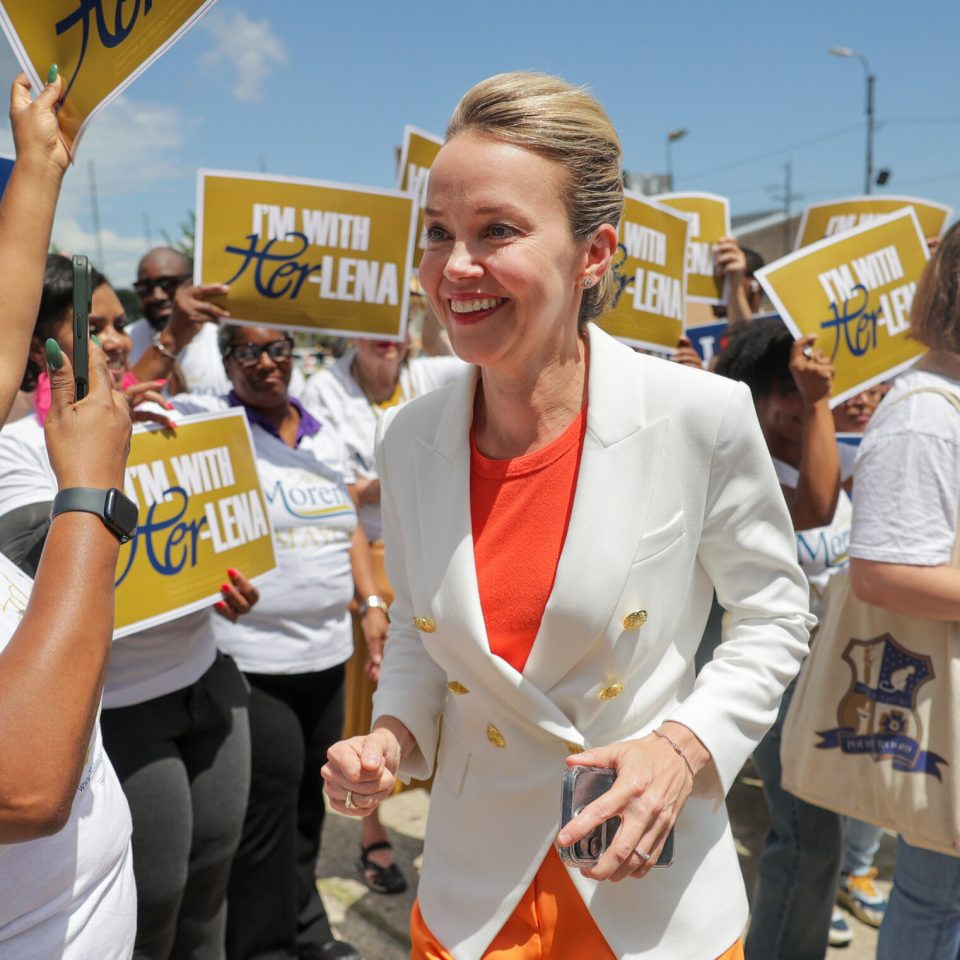
New Orleans has a new mayor. That alone changes the conversation.
For the first time in years, City Hall is not consumed by scandal, subpoenas, or survival mode. The noise has quieted. The reset button has been hit. And now comes the harder question—one we rarely ask honestly:
What will we actually demand from her?
Not what we hope.
Not what we post.
Surely not what we complain about at brunch.
What will we demand—and enforce?
Because New Orleans has a pattern. We celebrate new leadership like a parade, then lower expectations until disappointment feels inevitable. And we confuse patience with passivity. We confuse grace with silence.
This is where cities stall.
We Demand Excellence From Everyone Else
Think about what New Orleans already demands excellence from.
We demand it from musicians. Miss a note, and the crowd notices.
We demand it from chefs. One bad plate, and the reviews reflect it.
We demand it from parade organizers, festival planners, even high school marching bands.
But when it comes to government?
We demand explanations instead of outcomes.
We accept timelines instead of results.
And we excuse failure with context.
That has to stop.
A new mayor does not mean a free pass. It means a clear contract.
What Should That Contract Look Like?
First, competence must be non-negotiable.
That means functioning systems. Billing that makes sense. Streets that get fixed on schedule. Budgets that don’t shock residents six months too late. These are not lofty goals. They are baseline expectations in any major American city.
Second, transparency must be proactive, not reactive.
New Orleans residents should not learn critical information from federal indictments, investigative reporters, or emergency press conferences. A modern mayor sets the tone early: clear communication, early warnings, and public accountability before rumors fill the gap.
Third, appointments matter as much as policies.
Residents should watch closely who Moreno empowers, who she promotes, and who she quietly moves into advisory roles. Personnel decisions reveal priorities faster than any speech ever will.
Support Is Not Silence
Here’s the balance New Orleans must learn to hold.
We should support this mayor’s efforts to stabilize the city. Constant sabotage helps no one. But support does not mean disengagement. It does not mean lowering standards “until she gets settled.”
Strong leadership needs strong constituents—people who show up early, ask informed questions, and stay engaged after Election Day.
The city does not need cheerleaders right now. It needs stakeholders.
The Role of the People
This moment will be wasted if residents retreat back into the familiar cycle: complain online, skip local elections, and act surprised when nothing changes.
If people want a better city, they have to behave like they expect one.
That means:
- Paying attention to City Council agendas.
- Voting in off-cycle and special elections.
- Calling council offices before they vote on an issue.
- Showing up to community meetings even when the issue isn’t trending.
Leadership responds to pressure. Silence creates comfort.
A Rare Opportunity
New Orleans does not get many clean slates.
This mayor inherits a city that is tired but still capable. The infrastructure is fragile. The finances need discipline. Trust must be rebuilt. None of that happens without time—but none of it happens without expectations either.
So here is the real test of this new era:
Not whether the mayor says the right things.
Not whether the tone feels calmer.
But whether the people of New Orleans finally decide to demand excellence from City Hall with the same intensity they demand it everywhere else.
Because cities don’t rise on hope alone.
They rise when residents stop settling.
